
Why Every New Jersey Homeowner Needs a Plan for the Spring HVAC Transition From Heating to Cooling
The spring HVAC transition from heating to cooling is one of the most important maintenance moments of the year — and one of the most overlooked. As April 2026 brings warmer days to Northern and Central New Jersey, your system needs to shift from months of heating work into full cooling mode. If you skip the prep, you risk poor airflow, higher energy bills, and a breakdown on the first hot day of the season.
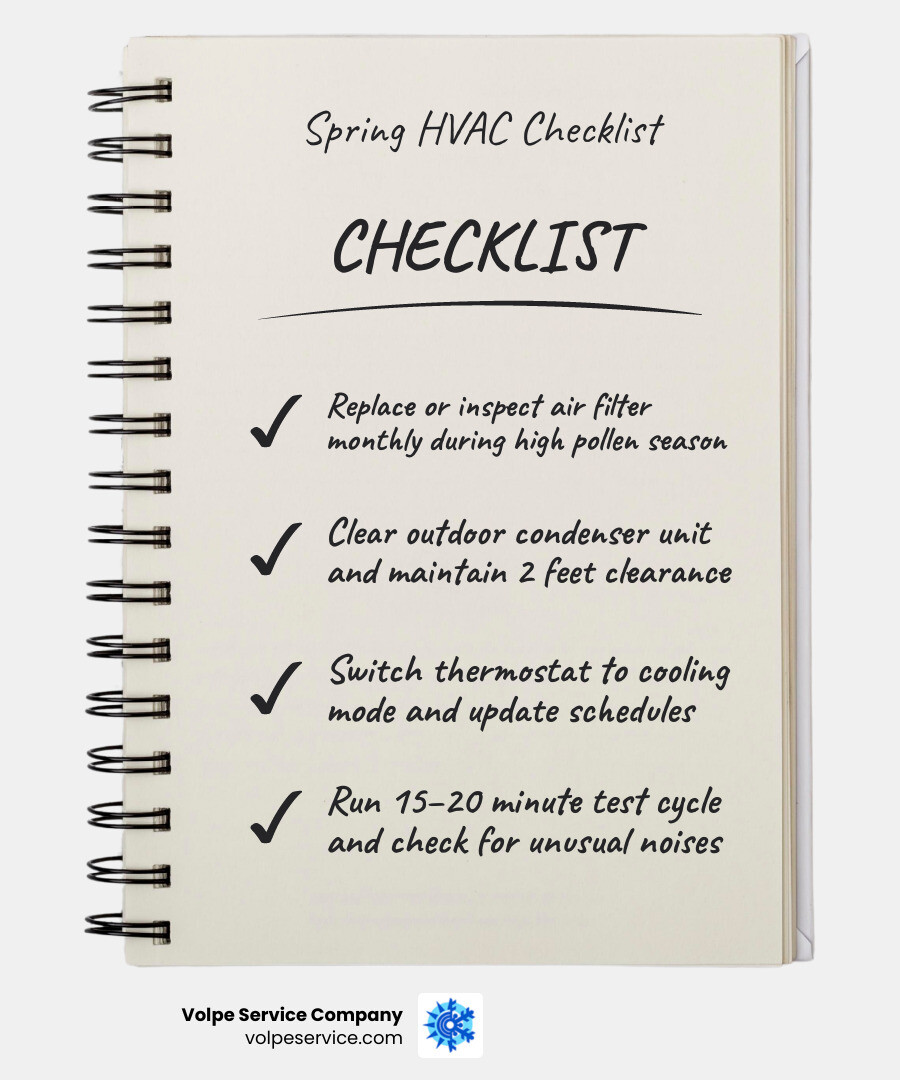
Here is a quick overview of the key steps to make the switch smoothly:
- Replace or inspect your air filter — check it monthly during spring, especially during high pollen season
- Clear the outdoor condenser unit — remove debris and maintain at least 2 feet of clearance around it
- Switch your thermostat to cooling mode — update any programmed schedules for warmer weather
- Run a short test cycle — let the system run for 15–20 minutes and listen for unusual noises
- Inspect visible ductwork — look for leaks or gaps that can waste up to 30% of conditioned air
- Schedule a professional spring tune-up — a trained technician can check refrigerant levels, electrical components, and overall system health before peak summer demand
Spring in New Jersey comes with fast temperature swings — cold mornings, warm afternoons, and rising humidity. That unpredictability puts real stress on your HVAC system. A little preparation now means consistent comfort all summer long, lower utility bills, and fewer emergency repair calls when the heat arrives.
Why the Spring HVAC Transition From Heating to Cooling Matters
Think of your HVAC system like a marathon runner. It just finished the “winter marathon” of heating your home through the New Jersey frost, and now it’s being asked to immediately start a “summer sprint” of cooling. Without a proper transition, you’re asking the system to perform under immense pressure with “dirty lungs” and “clogged arteries.”
Indoor Air Quality and Allergy Management
In towns like Madison and Millburn, spring brings beautiful blooms but also heavy pollen counts. During the winter, your ductwork and filters have likely collected dust, pet dander, and debris. If you switch to cooling without cleaning or replacing these components, you’ll circulate those allergens throughout your home. Proper maintenance ensures your indoor air stays fresh, which is vital for family members with seasonal allergies.
Energy Efficiency and Lower Utility Bills
Efficiency isn’t just a buzzword; it’s a reflection of how hard your system has to work. When your system is bogged down by dirty coils or clogged filters, it draws more electricity to achieve the same temperature. By handling the spring hvac transition from heating to cooling proactively, you ensure the system runs at peak performance. There are 5 Obvious Reasons You Need AC Maintenance This Spring, but none are more immediate than the savings you’ll see on your monthly utility statement.
System Longevity and Preventing Wear
A sudden switch from heat to cool can cause mechanical stress. Components like the reversing valve in heat pumps or the compressor in central AC units need to be in top shape to handle the change in refrigerant flow. Taking the time to prepare reduces the strain on these expensive parts, effectively extending the lifespan of your equipment.
Essential Steps for Preparing Your Cooling System
Transitioning your system isn’t just about flipping a switch on the wall. It requires a physical inspection of both the indoor and outdoor components to ensure everything is ready for the humidity of a New Jersey July.
Optimizing Your Spring HVAC Transition From Heating to Cooling
The most effective DIY task any homeowner in East Hanover or Parsippany can perform is managing airflow. Airflow is the lifeblood of your HVAC system. If the air can’t move, the system can’t cool.
- Filter Replacement: Check your air filters immediately. During the transition, we recommend checking them monthly. If you have pets or live in a high-pollen area like Mendham, you might need to change them more frequently than the standard three-month window.
- MERV Ratings: Consider using a filter with a higher MERV rating to catch smaller particles, but be sure it’s compatible with your system’s blower capacity. A filter that is too restrictive can actually cause more harm than good by stifling airflow.
- Ductwork Integrity: Over the winter, small vibrations from your furnace can cause duct joints to loosen. Inspect any visible ducts in your basement or attic for gaps. Even small leaks can result in a 30% loss of conditioned air before it ever reaches your living room.
Following these Spring Maintenance for Your Air Conditioner steps will set a solid foundation for the months ahead.
Managing the Outdoor Unit and Thermostat
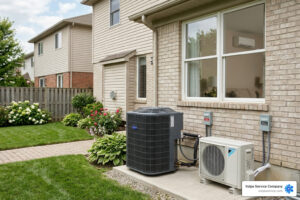
Your outdoor condenser unit has likely had a rough winter. It may be covered in fallen branches, wet leaves, or even hidden nests from local wildlife.
- Debris Removal: Clear away any leaves or brush that have piled up against the unit.
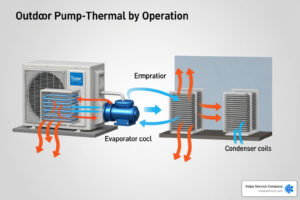
- The 2-Foot Rule: Ensure there is at least a two-foot clearance around the entire unit. This allows the fan to pull in enough air to cool the refrigerant coils effectively.
- Coil Protection: Gently hose down the exterior coils to remove dirt and salt buildup from the winter. Use a low-pressure setting to avoid bending the delicate aluminum fins.
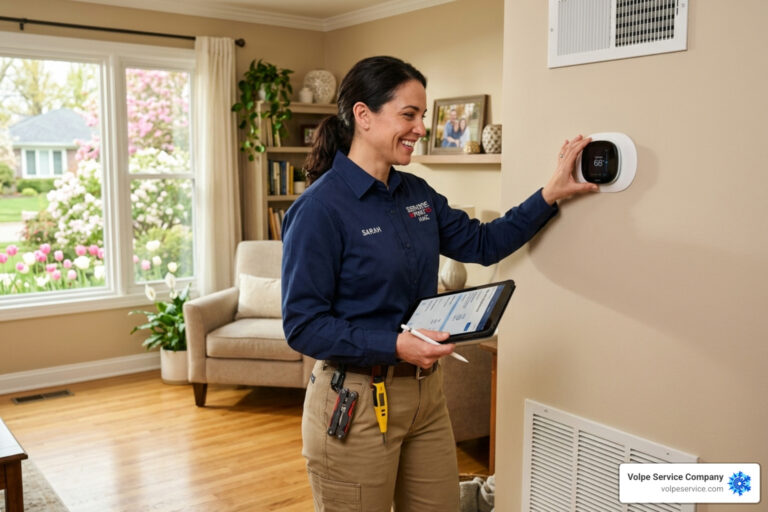
- Thermostat Check: Replace the batteries in your thermostat if you haven’t done so in the last year. If you’re still using a manual thermostat, spring is the perfect time to upgrade to a smart model. These devices can “learn” your schedule and automatically adjust during those tricky New Jersey spring days when it’s 45 degrees at 6:00 AM and 75 degrees by 2:00 PM.
For more detailed advice, check out our HVAC Tips for Transitioning from Winter to Spring.
Troubleshooting Common Issues During the Seasonal Switch
When you first make the spring hvac transition from heating to cooling, stay alert. Your system will often “tell” you if something is wrong through sounds, smells, or performance lags.
Common Warning Signs
- Unusual Noises: Rattling, buzzing, or hissing sounds are never a good sign. They could indicate loose parts, electrical issues, or a refrigerant leak.
- Weak Airflow: If air is coming out of the vents but feels “lazy,” you might have a clogged filter, a failing blower motor, or obstructed ductwork.
- Uneven Cooling: If the upstairs of your Summit home is sweltering while the downstairs is freezing, your system may be struggling with calibration or duct issues.
- Musty Smells: A “dirty sock” smell often indicates mold or mildew growth on the evaporator coils or in the condensate drain line. This is a common issue during the humid transition months.
Testing Your Spring HVAC Transition From Heating to Cooling
Don’t wait for a 90-degree day to find out your AC is broken. We recommend performing a “test cycle” in mid-April.
- Set your thermostat to “Cool” and lower the temperature about 5 degrees below the current room temperature.
- Let the system run for at least 15 to 20 minutes.
- Check the air coming from the vents; it should feel consistently cold.
- Listen for any of the strange noises mentioned above.
- Check the outdoor unit to ensure the fan is spinning freely and there is no ice forming on the copper lines.
If you notice issues during this test, it’s a sign that you need a professional touch. Knowing What is Involved in an AC Tune-Up can help you understand how we diagnose and fix these problems before they become emergencies. You can also find more tips on Seasonal AC Maintenance for Summer to keep things running smoothly.
Maximizing Efficiency and Home Comfort in New Jersey
In our service areas—from Boonton to Chester—home comfort is about more than just the HVAC unit itself. It’s about the entire “envelope” of your home. To truly master the spring hvac transition from heating to cooling, you should look at how your home retains its “cool.”
Sealing the Leaks
As mentioned, leaky ducts can lose up to 30% of your air. Using mastic sealant or specialized metal tape (not standard duct tape!) to seal visible gaps in your ductwork is a high-return investment. Additionally, check the weatherstripping around your doors and windows. In Livingston and Montville, many older homes have settled over time, creating small gaps where expensive cold air escapes and humid New Jersey air enters.
Managing Heat Gain
One of the simplest ways to help your HVAC system during the spring transition is to manage “solar heat gain.” On sunny April afternoons, close the curtains or blinds on south-facing windows. This reduces the workload on your AC, allowing it to maintain a comfortable temperature without cycling on and off constantly.
Insulation and Ventilation
Check your attic insulation. If you can see the floor joists in your attic, you likely need more insulation. Proper insulation keeps the heat of the roof from radiating down into your living space. Furthermore, ensure your attic is well-ventilated; a scorching attic can make your HVAC system work significantly harder to cool the rooms below.
Understanding Why Regular AC Maintenance is Essential and why Regular HVAC Maintenance is Crucial will help you stay ahead of these efficiency drains.
Frequently Asked Questions about Spring HVAC Transitions
How often should I replace air filters during the spring transition?
During the spring hvac transition from heating to cooling, we recommend inspecting your filter every 30 days. New Jersey’s high pollen counts in April and May can clog a filter much faster than the dust of winter. If the filter looks gray or you can no longer see light through it, replace it immediately. This is a core part of Regular HVAC Maintenance Services Importance.
Can I safely run heat and AC on the same day?
Yes, you can, but you should do it carefully. In Morristown and Denville, it’s common to need heat at 5:00 AM and AC by 3:00 PM. To protect your system:
- Use the “Auto” setting on your thermostat if it has a “deadband” feature (this prevents the system from rapidly switching back and forth).
- Wait at least five minutes between switching modes manually to allow refrigerant pressures to equalize.
- Avoid “temperature whiplash”—don’t set the heat to 75 and the AC to 65. Aim for a consistent, moderate range.
Why schedule a professional HVAC tune-up in spring?
While DIY steps are great, a professional technician has the tools to see what you can’t. We check refrigerant levels (which require a license to handle), tighten electrical connections that may have loosened during the winter, and calibrate the system’s sensors. Is an Is HVAC Tune-Up Worth It? Absolutely. It’s the difference between a system that “survives” the summer and one that “thrives” through it.
Conclusion: Trusted Expertise for Your New Jersey Home
Since 1963, Volpe Service Company has been the family-owned name that Northern New Jersey trusts for seasonal comfort. Whether you are in East Hanover, Summit, or Mt. Olive, our data-driven solutions ensure that your spring hvac transition from heating to cooling is handled with precision and honesty.
We understand the unique climate challenges of our local communities. From the humidity of the valleys to the pollen of the wooded suburbs, we provide the courteous service and constant communication you deserve. Don’t let the first heatwave of 2026 catch you off guard.
Contact us today to schedule your professional spring HVAC transition service and ensure your home stays a sanctuary of comfort all season long.