
How a New HVAC System Increases Home Value: What New Jersey Homeowners Need to Know
How a new HVAC system increases home value is one of the most common questions homeowners ask before listing a property — and for good reason. A working, efficient HVAC system is one of the first things buyers, inspectors, and lenders look at. It signals that a home has been cared for, and it directly affects whether a deal moves forward or falls apart.
Here is a quick summary of what the data shows:
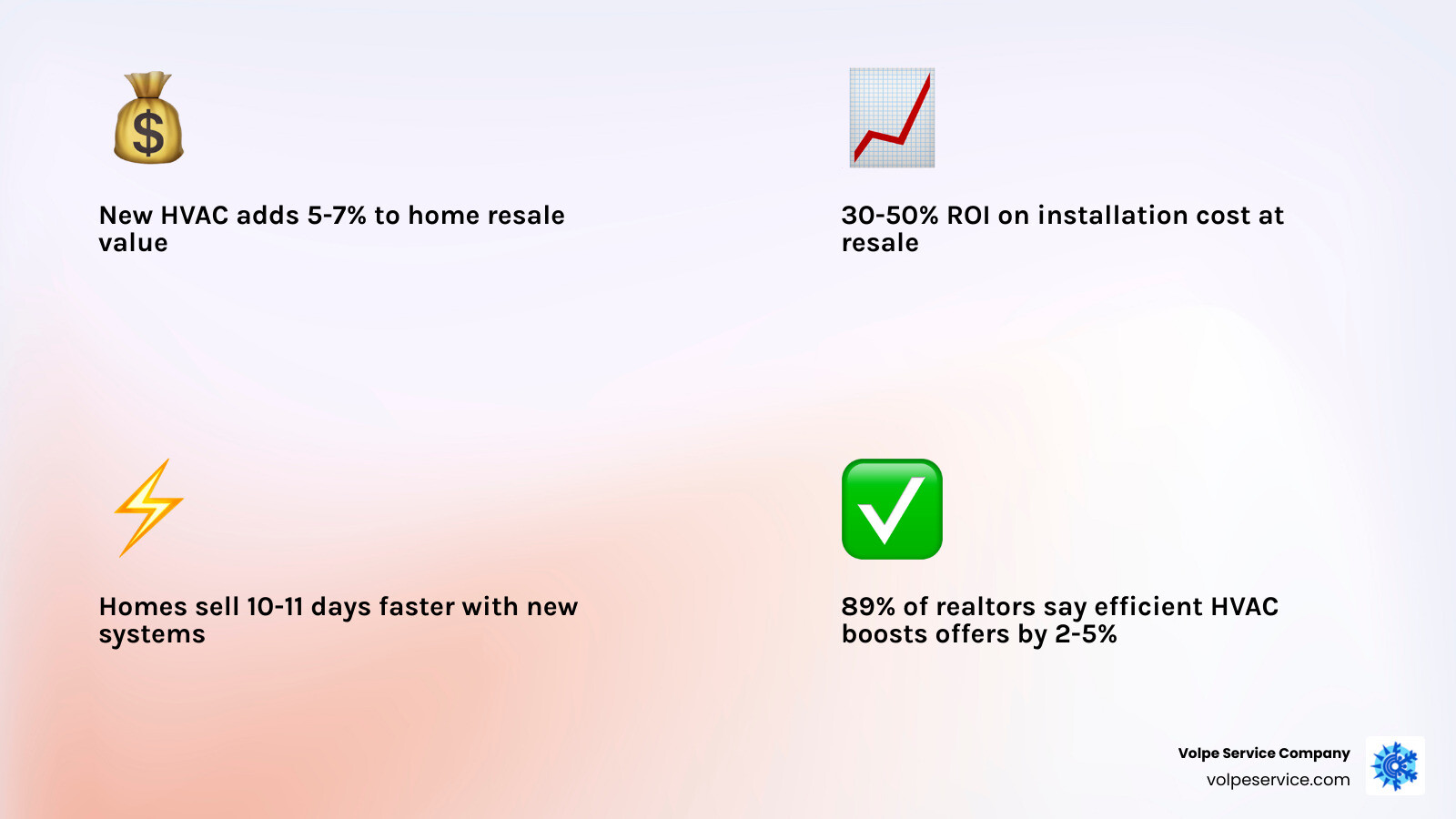
- Value increase: A new HVAC system typically adds 5% to 7% to a home’s resale value
- ROI range: Most homeowners can expect a return of roughly 30% to 50% of the installation cost at resale
- Faster sales: Homes with newer HVAC systems tend to sell 10 to 11 days faster than comparable homes with aging systems
- Buyer confidence: According to the Association of Realtors, 89% of realtors say an efficient HVAC system speeds up sales and can increase offers by 2% to 5%
- Financing risk: Lenders can deny mortgage approval if an HVAC system is non-functional — meaning a failing system can kill a deal entirely
For New Jersey homeowners, where summers are humid and winters are harsh, a reliable heating and cooling system is not a luxury. It is a baseline expectation. Buyers here factor in HVAC age and condition from the very first showing.
That said, a new HVAC is not a guaranteed dollar-for-dollar return. The real value comes from a combination of buyer confidence, smoother appraisals, fewer inspection concessions, and faster time on market.
How a New HVAC System Increases Home Value and Resale Appeal
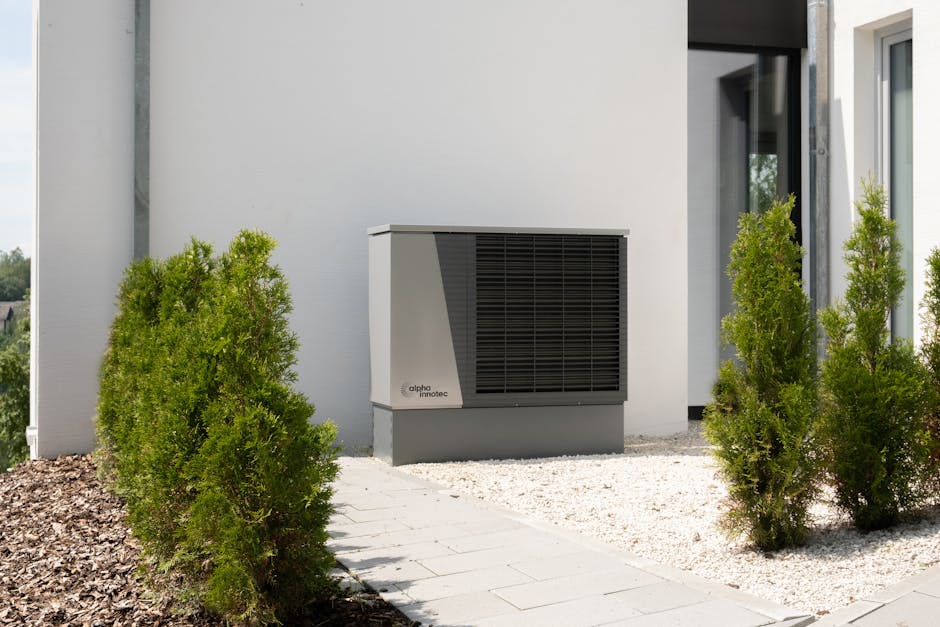
When we talk about how a new hvac system increases home value, we have to look past the hardware. To a buyer in Summit or Morristown, a brand-new system represents “peace of mind.” It is one less major expense they have to worry about for the next 15 to 20 years. In a competitive market, this can be the deciding factor between your home and the one down the street.
While cosmetic upgrades like granite countertops or fresh paint are “show ponies” that grab attention in photos, the HVAC system is the “workhorse” that ensures the home is actually livable. Research suggests that installing a new system can increase your home’s value by as much as $2,500 to $3,000, or approximately 5% to 10% of the total property value depending on the market.
From our 60+ years of experience in Northern New Jersey, we have seen that homes with updated mechanicals attract multiple offers faster. Buyers view an old, rattling furnace as a looming “tax” they’ll have to pay shortly after moving in. By replacing it before you list, you flip that narrative. Instead of a liability, the HVAC becomes a featured selling point. For more ideas on maximizing your property’s worth, check out 6 HVAC Upgrades That Will Increase Your Home’s Value.
Factors That Influence the ROI of Your HVAC Upgrade
Not all upgrades are created equal. Several variables dictate exactly how a new hvac system increases home value in your specific neighborhood.
- Climate and Location: In New Jersey, we experience extreme temperature swings. A home without reliable central air in July or a powerful furnace in January is considered a “fixer-upper.”
- System Efficiency (SEER2 Ratings): As of April 2026, efficiency standards have continued to climb. Modern systems with high SEER2 (Seasonal Energy Efficiency Ratio) ratings are much more attractive to buyers than “builder-grade” units.
- Refrigerant Standards: The EPA’s transition to eco-friendly R-454B refrigerants is now in full swing. Systems using older, phased-out refrigerants are becoming harder and more expensive to service. A new system using current, compliant refrigerants is a massive plus for savvy buyers.
- Proper Sizing: An oversized or undersized system will lead to “hot spots,” short-cycling, and high bills. Professional sizing ensures the ROI remains high because the system actually performs as promised during the home inspection.
Before you jump into a replacement, it is vital to prepare your property for the transition. You can learn more about this process in our guide on How to Prepare Your Home for a New HVAC System.
How a New HVAC System Increases Home Value Through Energy Efficiency
Modern buyers are more eco-conscious and budget-savvy than ever. They aren’t just looking at the mortgage; they are looking at the total cost of ownership. A high-efficiency HVAC system can reduce monthly energy consumption by 20% to 40% compared to units from just a decade ago.
When you can show a prospective buyer a history of lower utility bills, you are providing tangible proof of value. ENERGY STAR-certified systems are particularly prized because they often qualify for various incentives. If you’re wondering about the financial side of these upgrades, you might ask, Can You Write Off a New HVAC System on Your Taxes? In many cases, federal tax credits can recoup a significant portion of your investment before you even sell.
Comparing System Types: Heat Pumps vs. Central Air
The type of technology you choose also impacts your resale potential. While traditional central AC is the standard in many Livingston or Madison homes, heat pumps are rapidly gaining ground due to their versatility and efficiency.
| System Type | Typical Value Boost | Estimated ROI | Best For |
|---|---|---|---|
| Heat Pump | High ($1,260–$2,280+) | 40–70% | All-electric or dual-fuel homes |
| Central AC | Moderate ($1,170–$2,370) | 30–50% | Homes with existing ductwork |
| Geothermal | Very High ($1,300–$7,300) | Variable | High-end, eco-luxury properties |
| Ductless Mini-Split | Moderate ($600–$4,350) | 30–40% | Older homes, additions, or “bonus” rooms |
Dual-fuel systems — which combine an electric heat pump with a gas furnace backup — are particularly popular in Northern New Jersey because they offer the best of both worlds: high-efficiency cooling and reliable heating during our coldest Madison nights. If you’re curious about making the switch, explore Why Consider Heat Pump Installation.
Impact on Home Appraisals and the Selling Process
The appraisal is often the “make or break” moment in a home sale. Appraisers are required to note the age and condition of major mechanical systems. If your furnace is 20 years old and your AC unit is rusted, the appraiser may adjust your home’s value downward, or flag the system as being at the end of its “useful life.”
Conversely, a brand-new system with a transferable warranty is a major asset. It strengthens the appraisal report and makes it easier for the buyer’s lender to approve the loan. This is one of the primary ways how a new hvac system increases home value — by protecting the deal from appraisal gaps. To ensure your new system is viewed as a high-value asset, professional installation is non-negotiable. You can read more about Professional AC Installation Benefits to see why DIY or cut-rate installs can actually hurt your value.
How a New HVAC System Increases Home Value in the Eyes of Appraisers
Appraisers use “comparables” (comps) to determine value. If a similar home in Parsippany sold recently with a new HVAC, your home needs a comparable system to maintain the same price point. If yours is outdated, the appraiser will likely deduct value.
Documentation is your best friend here. Keep your installation receipts, warranty information, and SEER2 ratings in a folder to show the appraiser. This proves the system is a high-efficiency upgrade rather than just a basic repair. For those focusing on the heating side of the equation, there are specific Expert Furnace Installation Benefits that can significantly sway an appraiser’s opinion.
When to Replace Your System Before Listing Your New Jersey Home
We often tell our clients in West Orange and Millburn that you don’t always need to replace a working system. However, there are “red flag” scenarios where a replacement is the smartest financial move:
- The 15-Year Rule: Most systems have a lifespan of 15 to 20 years. If yours is over 15, buyers will almost certainly ask for a price reduction or a replacement credit during the inspection phase. Replacing it beforehand allows you to control the cost and use it as a marketing feature.
- The R-22 Factor: If your AC still uses R-22 (Freon), it is obsolete. Repairs are prohibitively expensive, and most buyers will view it as a non-functional system.
- Frequent Repairs: If you’ve had to call for service twice in the last year, a home inspector will find the issues. It’s better to be on the “offense” with a new system than on the “defense” during negotiations.
- Performance Gaps: If the second floor is always 10 degrees warmer than the first, buyers will notice during the walkthrough.
If your system is younger (under 10 years), a full replacement might not yield the best ROI. In those cases, a professional tune-up and documented maintenance history are often enough to satisfy buyers. Regular HVAC Maintenance is Crucial for preserving the value you already have. If you’re unsure if your current unit needs work, ask yourself: Is HVAC Tune-Up Worth It? (Spoiler: It usually is, especially before a sale).
Frequently Asked Questions about HVAC and Home Value
Does a new HVAC system increase home value by the full cost of installation?
Rarely. Like most home improvements, you should not expect a dollar-for-dollar return. If you spend a certain amount on a new system, you might see a 30% to 50% direct return in the asking price. However, the “indirect” ROI — such as avoiding a $5,000 repair credit during inspections or selling your home 11 days faster — often makes up the difference.
How much does a new HVAC system typically increase a home’s selling price?
On average, a new system increases a home’s value by 5% to 7%. For a $500,000 home in a town like Summit or Montville, that could mean an additional $25,000 to $35,000 in perceived value and negotiation leverage compared to a home with a failing system.
Should I replace my HVAC system if it is still working but over 12 years old?
It depends on the market. If you are in a “hot” seller’s market, you might get away with a well-maintained 12-year-old system. However, if buyers have a lot of options, they will gravitate toward the home that doesn’t require immediate mechanical work. At 12 years, you are entering the “replacement window,” so having a professional evaluation is a wise first step.
Conclusion
At Volpe Service Company, we’ve been helping New Jersey families stay comfortable since 1963. Based in East Hanover, we understand the specific demands our climate puts on your home’s mechanical systems. Whether you are in Morristown, Denville, or Boonton, we provide data-driven solutions and honest pricing to help you make the right choice for your home’s future.
Understanding how a new hvac system increases home value is about more than just numbers — it’s about making your home the most attractive, reliable, and efficient option on the block. Don’t let an aging furnace or a struggling AC unit stand in the way of a successful sale. Contact our experts for a professional HVAC evaluation today and let us help you maximize your home’s resale potential.