
The Best Air Filters for Your Home: A Quick Guide for NJ Homeowners
The best air filter for your home depends on your HVAC system, your household’s specific needs, and how often you’re willing to change it. Here’s a quick breakdown to help you choose:
Top Air Filter Picks by Need:
| Need | Recommended MERV Rating | Filter Type |
|---|---|---|
| General use | MERV 8 | Pleated |
| Allergies, pet dander, pollen | MERV 11-13 | Pleated or electrostatic |
| Smoke, odors, VOCs | MERV 13+ with activated carbon | Carbon-layer pleated |
| Maximum protection | MERV 13-16 | Media/thick filter (4-5 inch) |
Most homes do well with a MERV 8 to MERV 13 pleated filter, replaced every one to three months. If anyone in your home has allergies or respiratory issues, go with MERV 13.
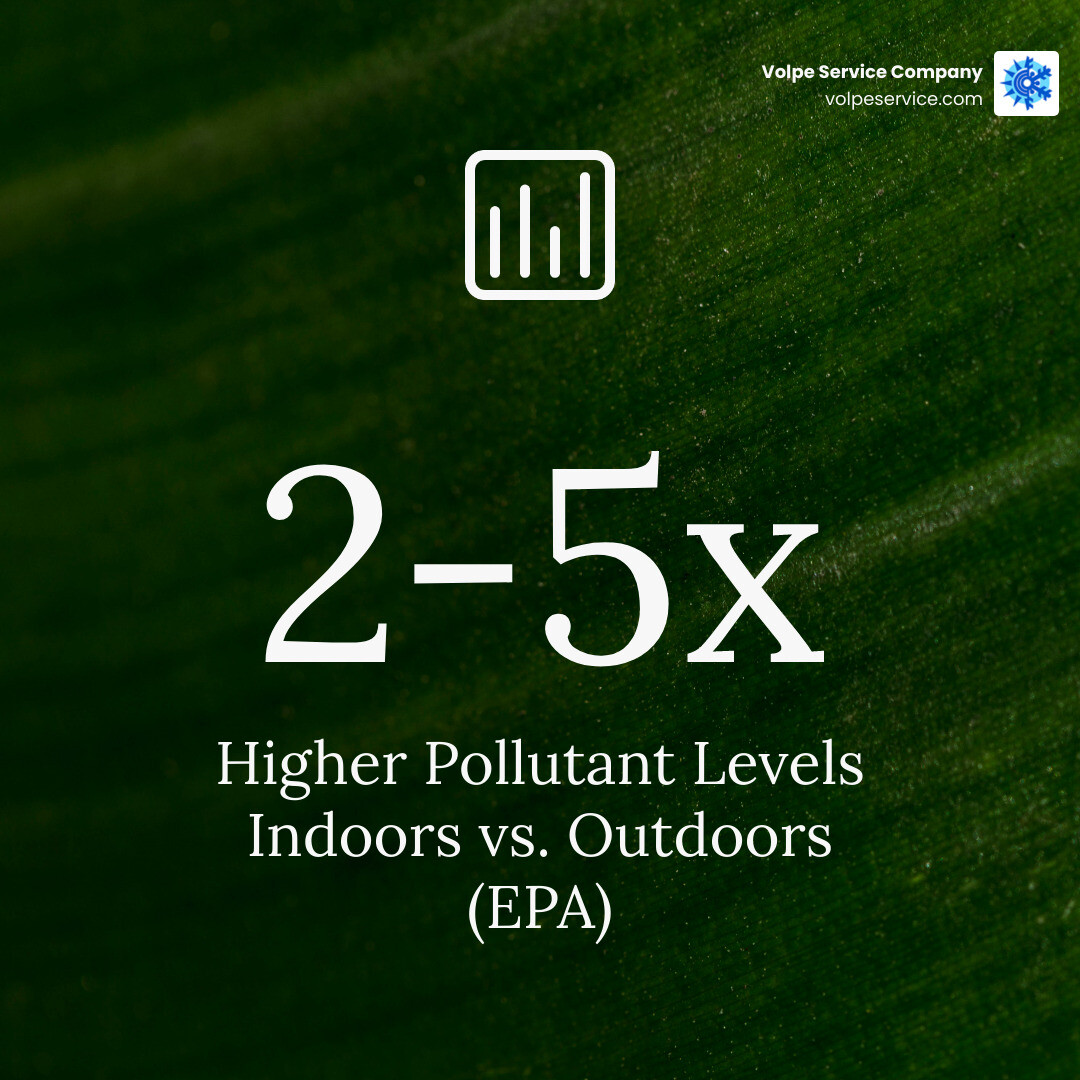
There’s a good chance you haven’t thought much about the air filter tucked away in your furnace or air handler. It sits out of sight — in a basement, attic, or utility closet — quietly doing its job. But here’s the thing: according to the EPA, the concentration of air pollutants inside your home can be two to five times higher than what you’d find outdoors.
That filter is one of the first and most effective lines of defense you have.
For homeowners across Northern New Jersey, where seasons swing from humid summers to cold winters and your HVAC runs hard year-round, choosing the right filter isn’t just about air quality. It’s also about protecting your system from the kind of dust and debris buildup that leads to breakdowns and extensive repairs.
This guide cuts through the noise. We’ll compare top-rated filters, explain what MERV, MPR, and FPR ratings actually mean, and help you match the right filter to your home.
Understanding Air Filtration and Your Home’s HVAC System
When we talk about the best air filter for your home, it is easy to focus only on breathing. While improving indoor air quality is a massive benefit, your air filter actually has a more mechanical “day job.” Its primary purpose is to protect your HVAC system’s blower fan and internal components from dust and debris.
As air circulates through your home in places like Parsippany or Morristown, it carries lint, hair, and dust. Without a filter, these particles would coat the evaporator coils and settle on the blower motor. This creates a blanket of grime that forces your system to work harder, eventually leading to a decline in efficiency or a total system “choke.”
Beyond the machine, the health implications are real. Poor indoor air quality can have a significant Indoor Air Quality on Children Health impact, potentially triggering asthma or respiratory discomfort. If you are looking to improve your Indoor Air Quality Parsippany NJ, understanding that your filter is a gatekeeper for both your lungs and your furnace is the first step toward a healthier home.
Decoding the Ratings: MERV, MPR, and FPR Explained
Walking down the filter aisle at a local hardware store in East Hanover can be overwhelming. You’ll see three different rating systems, and they don’t use the same numbers. Here is the breakdown:
MERV (Minimum Efficiency Reporting Value)
This is the industry standard developed by ASHRAE. It scales from 1 to 20. For residential use in New Jersey, you will typically see MERV 8 through MERV 13. A higher number means the filter can trap smaller particles, such as bacteria and tobacco smoke.
MPR (Microparticle Performance Rating)
This is a proprietary rating used by 3M (Filtrete). It focuses on the filter’s ability to capture particles smaller than 1 micron. Generally, an MPR of 1500 to 1900 is equivalent to a MERV 11 or 12.
FPR (Filter Performance Rating)
This is Home Depot’s brand rating, scaled from 1 to 10. It is weighted based on the filter’s ability to capture large and small particles, as well as its “weight gain” (how much dust it can hold before it fails).
It is important to remember that as ratings go up, the “mesh” of the filter gets tighter. If you choose a rating that is too high for your specific equipment, you might run into Hvac Filter Blockage Issues, which restrict airflow and strain your motor.
| Rating System | Good (Basic) | Better (Allergies) | Best (Premium) |
|---|---|---|---|
| MERV | 8 | 11 | 13 |
| MPR | 600 | 1000-1200 | 1500-1900 |
| FPR | 5 | 7 | 10 |
Finding the Best Air Filter for Your Home and Specific Needs
Not all filters are created equal. The material and thickness of the filter change how well it works and how often you have to replace it.
- Fiberglass Filters: These are the thin, blue, “see-through” filters. They are a basic option, but they only catch large clumps of dust. They offer almost zero protection against allergens.
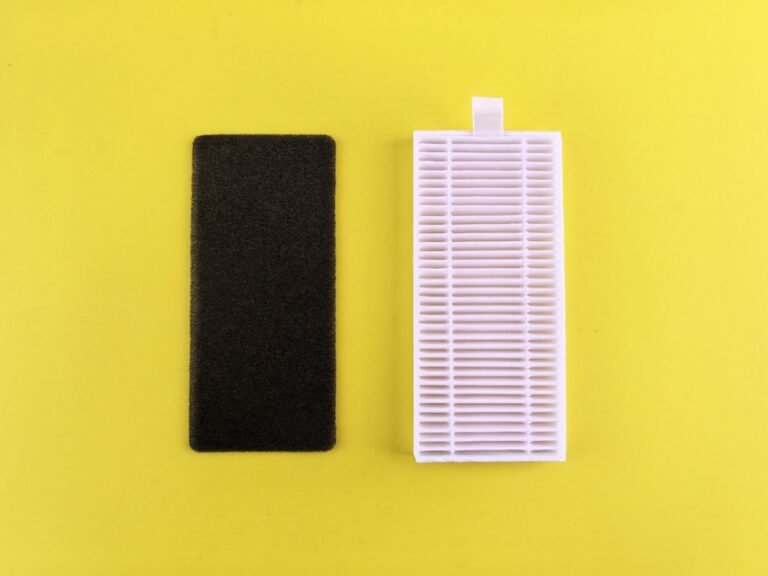
- Pleated Filters: These are the standard for most NJ homes. The “folds” in the fabric increase the surface area, allowing the filter to catch more dust without immediately blocking airflow.
- Electrostatic Filters: These use self-charging fibers to “magnetize” particles. They are excellent for small particulates but are a more advanced option.
- Media Filters (4 to 5-inch): These are the heavyweights. They require a special cabinet installed in your ductwork. Because they are so thick, they can have a high MERV rating (like MERV 16) while still allowing plenty of air to pass through. They often only need to be changed once a year.
For more specialized setups, you can explore Top Indoor Air Quality Solutions that go beyond the standard pleated filter.
The best air filter for your home with Allergies
If your spring in Madison or Summit is defined by sneezing and itchy eyes, a MERV 13 filter is your best friend. At this level, filters can stop more than 90% of contaminants as small as 3 microns. This includes pollen, dust mites, and pet dander. To truly breathe easy, follow a Guide to Optimize Indoor Air Quality that includes regular vacuuming and keeping windows closed during high-pollen days.
Choosing the best air filter for your home to Combat Smoke and Odors
Standard filters are great at catching “stuff” (particles), but they aren’t great at catching “smells” (gases). If you want to eliminate cooking odors or the scent of a damp basement, look for a filter with an activated carbon layer. Carbon acts like a sponge for Volatile Organic Compounds (VOCs) and smoke. This is particularly helpful when Dealing with AC Odors and IAQ issues that a standard dust filter simply can’t touch.
Maintenance and Installation: Keeping Your Air Clean in 2026
Buying the best air filter for your home is only half the battle; you have to install and maintain it correctly.
- Check the Arrow: Every filter has an arrow printed on the frame. This arrow must point toward the furnace or blower motor. If you install it backward, the filter can collapse or fail to trap debris properly.
- Size Matters: Look for the “Nominal Size” printed on your current filter (e.g., 16x25x1). This is the rounded-off measurement used for shopping. The “Actual Size” is usually about a 1/4 inch smaller to ensure it slides in easily.
- Replacement Frequency: We recommend checking your filter every 30 days. While some high-end filters claim to last 90 days, homes with pets or high activity in West Orange or Livingston may need a change much sooner.
- Don’t Wait for “Dirty”: Sometimes a filter looks clean but is actually clogged with microscopic particles like bacteria or smoke. Consistent Proper AC Filter Maintenance is the best way to avoid a mid-summer AC breakdown.
If you are unsure of your schedule, check out our guide on How Often Should You Change the AC Filter in Your House? for a deep dive into the factors that affect filter life.
Frequently Asked Questions about Home Air Filtration
Can a high-MERV filter damage my HVAC system?
It can if your system isn’t designed for it. High-MERV filters (like MERV 14+) are very dense. This creates “static pressure,” making the motor work harder to pull air through the material. If the motor overheats or the coils freeze because of low airflow, you’ve got a problem. This is why Home Ventilation for Improved Air Quality should always balance filtration with proper system “breathing.”
Should I use a standalone air purifier or an HVAC filter?
They serve different purposes. An HVAC filter cleans the air for the whole house but is limited by the system’s fan. A standalone air purifier (like a HEPA unit) is great for targeted purification in a bedroom or office. If you have a specific room that always feels “stuffy,” a standalone unit with a high CADR (Clean Air Delivery Rate) is a great supplement to your central system.
Are washable or permanent air filters effective?
While they seem eco-friendly, we generally don’t recommend them for high-performance needs. They typically have a low MERV rating (around MERV 1-4) and can become a breeding ground for mold if they aren’t dried completely after washing. For most NJ homeowners, a high-quality disposable pleated filter is the safer and more effective choice.
Conclusion
Choosing the best air filter for your home doesn’t have to be a guessing game. By matching the MERV rating to your family’s health needs and ensuring your HVAC system can handle the airflow, you can enjoy a cleaner, more comfortable home in Northern New Jersey.
At Volpe Service Company, we’ve been helping our neighbors in East Hanover, Montville, and Boonton stay comfortable since 1963. We believe in data-driven solutions and honest service. If you’re worried that your current filtration setup is straining your system, or if you’re interested in upgrading to a high-efficiency media cleaner, we’re here to help.
Don’t let your HVAC choke on last year’s dust. Explore our HVAC Maintenance Plan Parsippany NJ to keep your system running at peak performance all year long.