
Why How HVAC Condition Affects Home Appraisals Matters for Your Home Equity
How HVAC condition affects home appraisals is one of the most overlooked factors when homeowners prepare to sell, refinance, or apply for a home equity line of credit — and the financial stakes are real.
Here’s a quick summary of how your HVAC system can impact your appraisal:
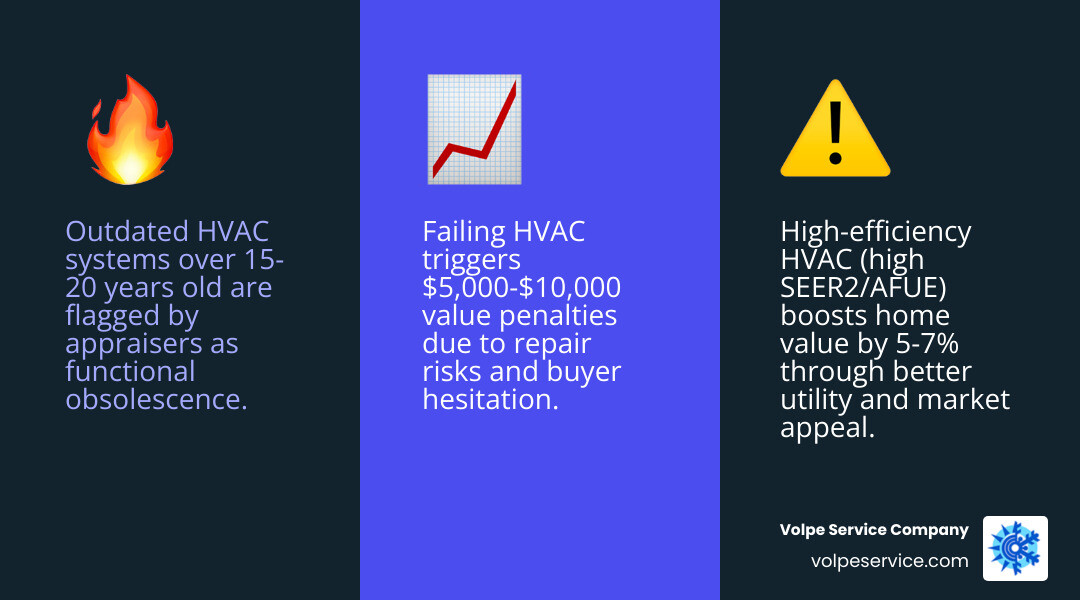
- Failing or outdated HVAC can reduce your appraised value by $5,000 to $10,000 or more
- A new or upgraded system may increase appraised value by 5% to 7%
- HVAC replacement typically recoups 40–60% of its cost in added home value
- Systems over 15–20 years old are commonly flagged by appraisers, especially if showing signs of wear
- High-efficiency systems (high SEER2, AFUE 95%+) can offer 50–80% ROI in added value
- Missing central air in a market where it’s expected can trigger a $5,000–$8,000 value penalty
- Proper documentation — invoices, permits, efficiency ratings — helps appraisers credit your improvements
Most homeowners focus on curb appeal, fresh paint, or kitchen updates before an appraisal. But your heating and cooling system is one of the biggest functional components of your home. Appraisers evaluate it as part of your property’s overall physical condition — right alongside the roof, plumbing, and electrical. A system that’s aging, inefficient, or clearly failing doesn’t just make buyers nervous. It can directly reduce what your home is worth on paper.
For New Jersey homeowners — where summers are humid, winters are harsh, and a reliable HVAC system isn’t optional — this matters even more. Whether you’re preparing to list your home, refinance your mortgage, or tap into your home equity, understanding how your HVAC system is evaluated can help you protect the value you’ve worked hard to build.
How HVAC Condition Affects Home Appraisals: The Appraiser’s Checklist
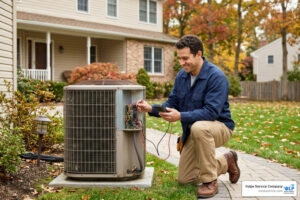
When an appraiser steps onto your property in East Hanover or Summit, they aren’t just looking at your kitchen tile. They are performing a visual and functional assessment of your home’s core systems. How HVAC condition affects home appraisals starts with the appraiser’s “Physical Condition” category. They aren’t HVAC technicians, so they won’t take the unit apart, but they are trained to spot signs of neglect that signal a “value killer.”
The appraiser’s checklist generally includes:
- System Age: They check manufacturer labels for the date of production. If your furnace is pushing 25 years, it’s considered at the end of its life, which often leads to a downward adjustment.
- Functional Testing: The appraiser will typically turn the system on to ensure it actually blows air and responds to the thermostat.
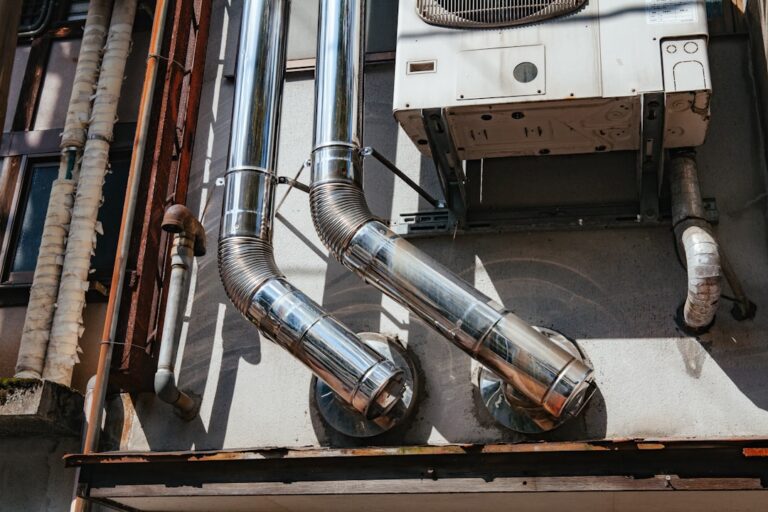
- Visual Wear and Tear: Visible rust on the heat exchanger, oil leaks around the condenser, or frayed wiring are immediate red flags.
- Climate Control Adequacy: Is the system properly sized for the square footage? If you’ve added an addition in Morristown but didn’t upgrade the AC, the appraiser may note the lack of adequate cooling.
- Northern New Jersey Standards: In our local market, central air is largely expected. If your neighbors all have central HVAC and you’re still using window units, your appraisal might suffer from “functional obsolescence.”
How HVAC condition affects home appraisals for home equity lines of credit
If you are applying for a Home Equity Line of Credit (HELOC) in April 2026, your HVAC system plays a protective role. Lenders use the appraisal to determine your borrowing limits. A failing HVAC system can drop your appraisal by $5,000 to $10,000, which directly reduces the equity you can tap into.
By maintaining your system, you aren’t necessarily “making money,” but you are preventing a value penalty. This is why Regular HVAC Maintenance is Crucial for homeowners looking to maximize their credit limits. A well-maintained system suggests to the lender that the home has been cared for, reducing their risk and protecting your borrowing power.
How HVAC condition affects home appraisals in competitive local markets
In competitive areas like Livingston or Millburn, buyer expectations are high. A home with an old, clunky HVAC system feels like a “project” to a buyer, even if the rest of the house is beautiful. Appraisers look at comparable sales (comps) in your neighborhood. If a similar house sold recently with a brand-new high-efficiency system and yours has a 20-year-old unit, the appraiser will make a negative adjustment to your home’s value to account for the impending replacement cost.
Ensuring your system is in top shape is essential for marketability. This is another reason Why Regular AC Maintenance is Essential; it ensures that when the appraiser (or a potential buyer) walks in, the home feels comfortable and the air quality is high, rather than smelling like a dusty attic or feeling humid.
Efficiency Metrics and Their Impact on Property Valuation
In 2026, energy efficiency is no longer just a “nice to have”—it’s a significant metric in property valuation. Appraisers are increasingly looking at the specific ratings of your equipment to determine how it stacks up against modern standards.
| Metric | What it Measures | Impact on Appraisal |
|---|---|---|
| SEER2 | Cooling efficiency | Higher ratings (18+) can justify a $5,000+ positive adjustment. |
| AFUE | Heating efficiency | 95%+ AFUE furnaces are viewed as premium assets. |
| HSPF2 | Heat pump efficiency | High ratings indicate lower utility costs, increasing value. |
| ENERGY STAR | Overall certification | Third-party proof of efficiency that appraisers can document. |
Upgrading to a high-efficiency system can offer a return of 50–80% of its cost in added home value. These systems can cut monthly utility bills by 10–30%, a fact you should highlight to your appraiser. If you’re looking for ways to boost your numbers, check out these 6 HVAC Upgrades That Will Increase Your Homes Value.
Protecting Your Equity: Avoiding Value Penalties and Red Flags
The fastest way to lose equity during an appraisal is to have a “red flag” system. Appraisers are trained to look for indicators of deferred maintenance. If your HVAC system looks neglected, they may assume other hidden parts of the house (like the plumbing or electrical behind the walls) are also in poor shape.
Common red flags include:
- R-22 Refrigerant: Systems using R-22 (Freon) are outdated and expensive to service. Most appraisers now flag these for replacement.
- Visible Rust or Corrosion: This suggests the unit is nearing the end of its life or has had leaks.
- Unusual Noises: Squealing belts or grinding compressors indicate imminent failure.
- Uneven Temperatures: If the upstairs is a sauna while the downstairs is a freezer, it indicates poor ductwork or an undersized unit.
- Dirty Air Filters/Vents: This is a small detail that suggests a lack of routine care.
Addressing these issues before the appraiser arrives can save you thousands. You might wonder, Will a New HVAC Help Sell Your Home Faster? The answer is a resounding yes, because it removes these red flags and gives the appraiser one less reason to dock your home’s value.
Maximizing ROI Through Strategic HVAC Improvements
If you’re planning an upgrade specifically to boost your home’s value, some choices are smarter than others. For example, adding central air to a home that previously lacked it can recover 50–70% of the cost in immediate value.
In Northern New Jersey, we’ve seen a huge surge in the popularity of ductless mini-split systems and modern heat pumps. These are excellent for older homes in areas like Montville or Boonton where installing traditional ductwork might be difficult or impossible. These systems signal “modernization” to an appraiser and can increase your home’s total value by 5% to 7%.
Beyond the appraisal, there are other financial benefits to consider. You might ask, Can You Write Off a New HVAC System on Your Taxes? Certain high-efficiency upgrades may qualify for federal tax credits or local New Jersey rebates, which effectively increases your ROI by lowering your net investment.
Essential Documentation to Provide During the Appraisal Process
Don’t let the appraiser guess the age or efficiency of your system. They have a lot of houses to see, and they might miss the fact that you just installed a high-efficiency blower motor or a smart zoning system.
Prepare a “HVAC Portfolio” to hand to the appraiser during their visit. This should include:
- Installation Invoices: Proof of when the system was installed and by whom.
- Permit Records: In New Jersey, HVAC replacements require local permits. Showing these are closed and compliant builds trust.
- Warranty Transfers: If your 10-year warranty is transferable to a new owner, that adds tangible value.
- Efficiency Rating Labels: Brightly colored ENERGY STAR labels or spec sheets showing SEER2/AFUE ratings.
- Service History Logs: A record of annual maintenance from a professional company like us shows the system has been cared for.
- Professional Inspection Reports: If you just had a “clean and check” done, provide the technician’s report showing the system is in good working order.
Frequently Asked Questions about HVAC and Appraisals
Will a new HVAC system increase my HELOC credit limit?
While it may not dramatically skyrocket your limit, it acts as a safeguard. A new system prevents the $5,000–$10,000 “deferred maintenance” deduction that often plagues older homes. By recouping 40–60% of the investment in the appraisal, you ensure you aren’t leaving equity on the table. It effectively “closes the gap” between your home’s current state and the top-tier comps in your neighborhood.
How old does an HVAC system need to be before it hurts my appraisal?
Generally, the 15–20 year mark is the “danger zone.” Most furnaces and AC units have a life expectancy of 15 to 25 years. Once a system hits 20, appraisers start looking at it as a liability rather than an asset. However, functionality matters more than age alone. A well-documented, meticulously maintained 18-year-old system will always be valued higher than a neglected 12-year-old system.
Is getting my HVAC serviced before an appraisal worth it?
Absolutely. While a simple service call won’t change the age of your furnace, it provides “operational proof” to the appraiser. A clean, dust-free unit with a fresh filter and a professional service sticker sends a powerful message: this homeowner takes care of their property. It builds appraiser confidence, which can lead to a more favorable overall “Condition Rating” for your home.
Conclusion
At Volpe Service Company, we’ve been helping our neighbors in East Hanover, Parsippany, and throughout Northern New Jersey protect their home comfort and equity since 1963. We know that how HVAC condition affects home appraisals is a major concern for anyone looking to make a move or tap into their home’s value.
Whether you need a professional inspection to document your system’s health for an appraiser, a repair to fix a “red flag” noise, or a full high-efficiency installation to maximize your home’s worth, we are here to help. We provide data-driven solutions and honest pricing to ensure your climate control is done right—guaranteed.
Ready to ensure your HVAC system is an asset, not a liability? Explore our HVAC services or give us a call today to schedule your maintenance or upgrade consultation. Let’s protect your equity together.