
Why This Spring Air Filter Replacement Guide Matters for Your Home and Car
A spring air filter replacement guide gives you exactly what you need to protect your home’s air quality and keep your HVAC system running efficiently as pollen counts climb and allergens fill the air across Northern New Jersey each April.
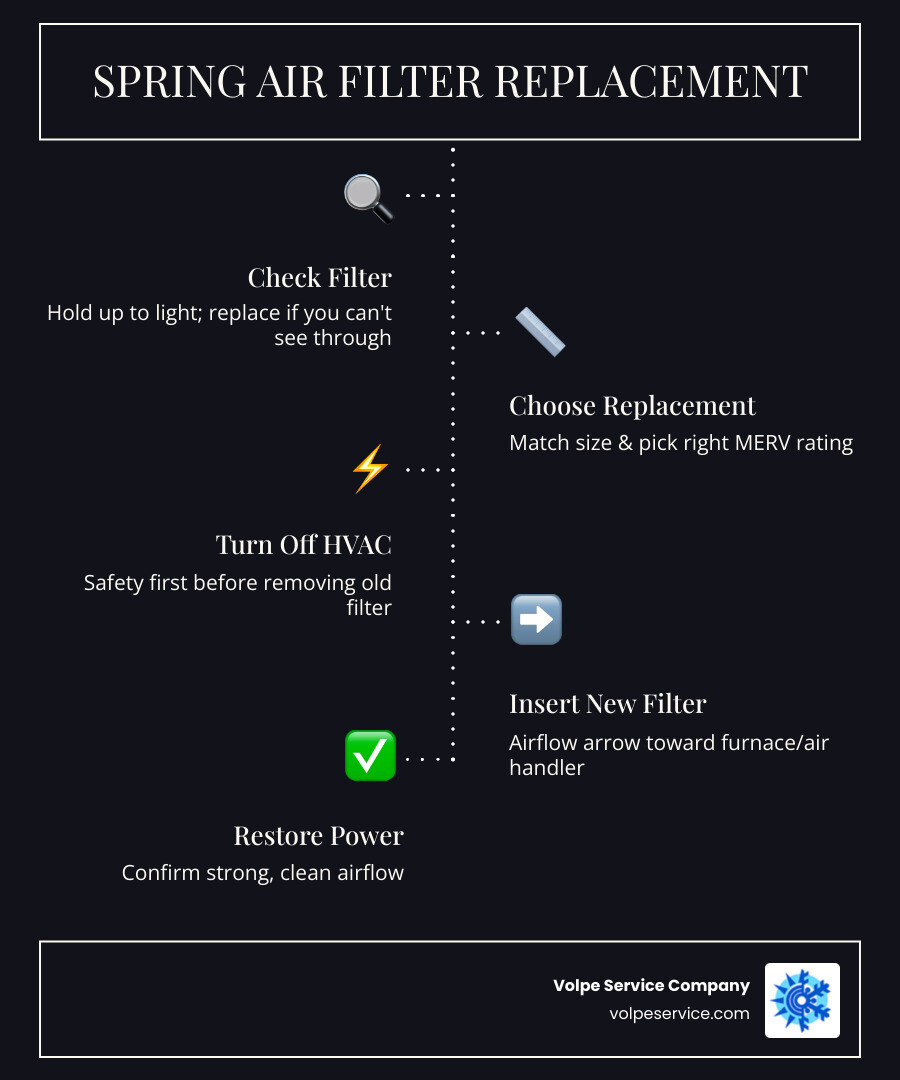
Here’s a quick overview of what the process involves:
- Check your current filter – Hold it up to light; if you can’t see through it, replace it now
- Choose the right replacement – Match the size and select a MERV rating suited to your needs
- Turn off your HVAC system before removing the old filter
- Remove and discard the old filter carefully to avoid spreading dust
- Insert the new filter with the airflow arrow pointing toward the furnace or air handler
- Restore power and confirm airflow feels strong and clean
Spring is one of the most important times to swap out filters. Pollen, mold spores, and dust ramp up quickly once temperatures rise. A clogged filter forces your HVAC system to work harder, drives up energy bills, and can even trigger system shutdowns. For allergy sufferers in New Jersey, a dirty filter can make every breath indoors feel like a step outside on a high-pollen day.
The same principle applies to your vehicle — cabin and engine air filters take a beating over winter and need attention before spring driving season begins.
The Ultimate Spring Air Filter Replacement Guide for New Jersey Residents
As we move into April 2026, the familiar New Jersey landscape is waking up. While the blooming trees in Morristown and the greening lawns in Summit are a welcome sight, they bring a hidden challenge: a massive influx of pollen and environmental dust. This seasonal shift makes Spring Maintenance for Your Air Conditioner a top priority for any local homeowner.
During the winter, your filters likely gathered a thick layer of household dust and pet dander. Now, they are being asked to tackle the fine yellow powder of spring pollen. Without a fresh start, your system is essentially “choking” on the debris of two seasons. Following Spring AC Start-Up Tips ensures that when you finally flip that switch from “Heat” to “Cool,” your system doesn’t struggle or blow stale, allergen-heavy air throughout your living spaces.
Understanding the Spring Air Filter Replacement Guide for Homeowners
The primary purpose of an air filter is twofold: it protects your expensive HVAC machinery and purifies the air you breathe. When a filter becomes clogged, it creates a “pressure drop.” This means your blower motor has to work twice as hard to pull air through the blockage. Over time, this extra strain leads to premature part failure and higher utility bills.
By prioritizing Proper AC Filter Maintenance, you are directly investing in the longevity of your system. In our experience serving areas like West Orange and Livingston since 1963, we’ve seen that a simple filter change is the single most effective DIY task a homeowner can perform to prevent a mid-summer breakdown.
Selecting Filters Using a Spring Air Filter Replacement Guide
Not all filters are created equal. When you head to the store in East Hanover or Parsippany, you’ll see a variety of options. The most important metric to understand is the MERV (Minimum Efficiency Reporting Value) rating.
| MERV Rating | What It Filters | Best For |
|---|---|---|
| 1–4 | Large particles (lint, dust mites, sanding dust) | Basic protection; older systems |
| 5–8 | Mold spores, hair spray, cement dust | Most residential homes; good balance |
| 9–12 | Lead dust, auto emissions, flour | Allergy sufferers; superior filtration |
| 13–16 | Bacteria, tobacco smoke, virus carriers | High-end protection; hospital-grade |
While a higher MERV rating sounds better, be careful. Filters with very high ratings (MERV 13+) can be so thick that they restrict airflow in standard residential units. Most New Jersey homes find the “sweet spot” at MERV 8 to 11. If you have severe allergies, you might consider a HEPA-style filter or an activated carbon filter, which is excellent at neutralizing odors from pets or cooking. If you’re wondering How Often Should You Change the AC Filter in Your House?, the general rule is every 90 days, but during the high-pollen month of April, a 30-day check is much safer.
Why Seasonal Maintenance Matters for Your HVAC and Vehicle
It isn’t just your home that needs a breath of fresh air; your car has been through the ringer this winter too. Road salt, melting snow, and damp conditions can lead to particle buildup and even mold spores within your vehicle’s ventilation system. This is Why Regular AC Maintenance is Essential across all your climate control systems.
Whether it’s the air handler in your basement or the cabin filter behind your glove box, Regular AC Maintenance and Cleaning prevents the accumulation of organic material that thrives in the humid New Jersey spring.
Signs Your Filters Need Immediate Attention
How do you know if you’ve waited too long? Keep an eye out for these red flags:
- Reduced Airflow: If the vents in your Madison home feel like they’re barely whispering instead of blowing, the filter is likely the culprit.
- Strange Odors: A “musty” or “dirty sock” smell often indicates a filter that has trapped moisture and organic debris.
- Increased Dust: If you find yourself dusting your furniture in Millburn every two days, your filter isn’t doing its job.
- Windshield Fogging: In your car, a clogged cabin filter can’t dehumidify the air properly, leading to windows that won’t clear.
- Engine Hesitation: A dirty engine air filter starves your car of oxygen, making it feel sluggish when you accelerate onto Route 10.
Ignoring these signs can lead to Hvac Filter Blockage Issues that might eventually require a professional repair visit.
Step-by-Step Home HVAC Filter Replacement
Replacing your home filter is a straightforward process, but doing it correctly is key.
- Locate the Filter: In most Northern New Jersey homes, the filter is located in the return air duct or the air handler cabinet.
- Safety First: Turn off the power at the unit or the thermostat. You don’t want the system to kick on while the filter is out, as it will suck raw dust directly into the coils.
- Note the Direction: Before removing the old filter, look for the “Airflow Arrow.” It usually points toward the furnace/air handler.
- Inspect and Clean: Once the old filter is out, use a microfiber cloth to wipe away any loose dust from the edges of the housing.
- Install: Slide the new filter in, ensuring the arrow points in the correct direction.
- Secure: Replace the cover and turn the power back on.
For more detailed advice, check out our Routine AC Service Tips.

Common Mistakes to Avoid in Your Spring Air Filter Replacement Guide
Even a simple task can go wrong. Here are the pitfalls we see most often:
- Incorrect Sizing: Filters must fit snugly. A gap of even half an inch allows “bypass air”—unfiltered air that carries dust straight to your AC coils.
- Backward Installation: Installing a filter against the grain of the pleats makes your system work harder and reduces filtration efficiency.
- Forgetting the Cover: If the cabinet door isn’t sealed, the system will pull “unconditioned” air from your basement or attic, wasting energy.
These small errors are often caught during a professional visit. If you’ve ever wondered What is Involved in an AC Tune-Up?, checking for proper filter fit and airflow is a foundational step.
Maintaining Your Vehicle’s Air Quality This Season
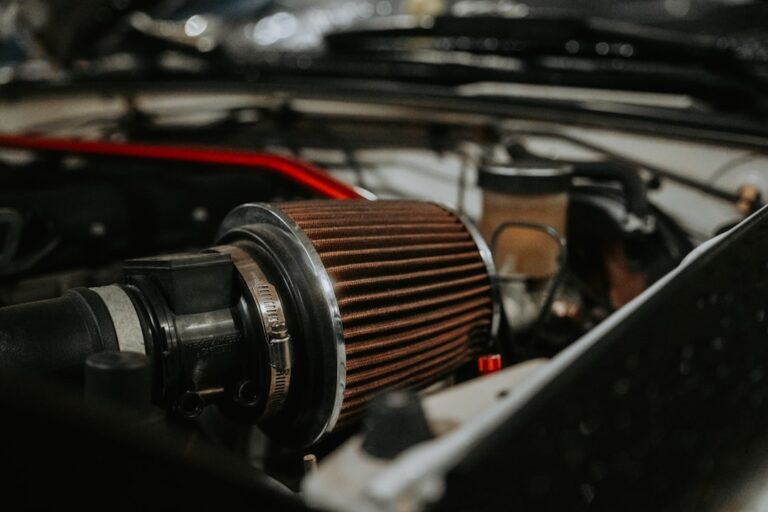
Your car actually uses two different air filters. The Cabin Air Filter cleans the air you breathe inside the car, while the Engine Air Filter ensures the engine gets clean oxygen for combustion.
Replacing a clogged engine filter can boost acceleration by up to 11% and improve your gas mileage. With gas prices always on our minds in New Jersey, this is one of the easiest ways to save money. A standard cabin filter typically costs between $20 and $25 and can be replaced in minutes.
Replacing Cabin and Engine Filters in Popular Models
Whether you’re driving a GMC Sierra through Boonton or a Kia Sportage around Montville, the process is similar:
- Cabin Filter: This is usually located behind the glove box. You’ll typically need to drop the glove box by releasing two side stops. No tools are usually required, though a small screwdriver might help pop the housing clips.
- Engine Filter: This is located under the hood in a plastic box near the front of the engine. Simply unclip the metal or plastic latches, swap the filter, and snap it shut.
Always use a microfiber cloth to wipe out the housing box before putting the new filter in. This prevents old grit from immediately clogging your brand-new filter.
Frequently Asked Questions about Spring Filter Maintenance
How often should I check my filters in Northern New Jersey?
We recommend monthly inspections during the spring. If you live in a high-pollen area like Mendham or have pets that shed in your West Orange home, you may need to replace them more frequently. There are 5 Good Reasons to Regularly Service Your Air Conditioner, and maintaining high indoor air quality is at the top of the list.
Can I clean and reuse a standard air filter?
Unless your filter is specifically labeled as “washable” or “reusable,” the answer is no. Standard fiberglass or pleated paper filters are designed to be disposable. Attempting to wash them will destroy the fibers and potentially lead to mold growth.
What tools are required for home and car filter changes?
For most modern homes and cars, no tools are required! Most systems use simple clips or thumb screws. However, having a screwdriver, a small vacuum to clean the housing, and a microfiber cloth will help you do a more thorough job.
Conclusion
Taking the time to follow this spring air filter replacement guide is the easiest way to ensure your family breathes easier this April. From East Hanover to Mt. Olive, New Jersey homes face unique seasonal challenges that demand proactive care.
Since 1963, Volpe Service Company has been providing data-driven solutions and honest, courteous service to our neighbors. While you can certainly handle filter changes yourself, a full system inspection is the best way to ensure your HVAC is ready for the humid months ahead. If you’re unsure about your system’s performance or need a professional eye to check your ductwork and coils, we are here to help.
Breathe easy this spring. For expert HVAC inspections, repairs, or installations in Northern New Jersey, visit our HVAC service page or give us a call today. We’ll make sure your climate control is done right—guaranteed.