

Why Mold Prevention Tips for Northern New Jersey Homeowners Matter More Than You Think

If you’re looking for mold prevention tips for northern New Jersey homeowners, here’s a quick summary before we dive in:
Top Mold Prevention Tips for Northern NJ Homeowners:
- Keep indoor humidity between 30–50% using a hygrometer and dehumidifier
- Run bathroom exhaust fans for 20–30 minutes after every shower
- Inspect basements and crawl spaces monthly for moisture or musty odors
- Clean or replace HVAC filters regularly and schedule biannual maintenance
- Make sure gutters and soil grading direct water away from your foundation
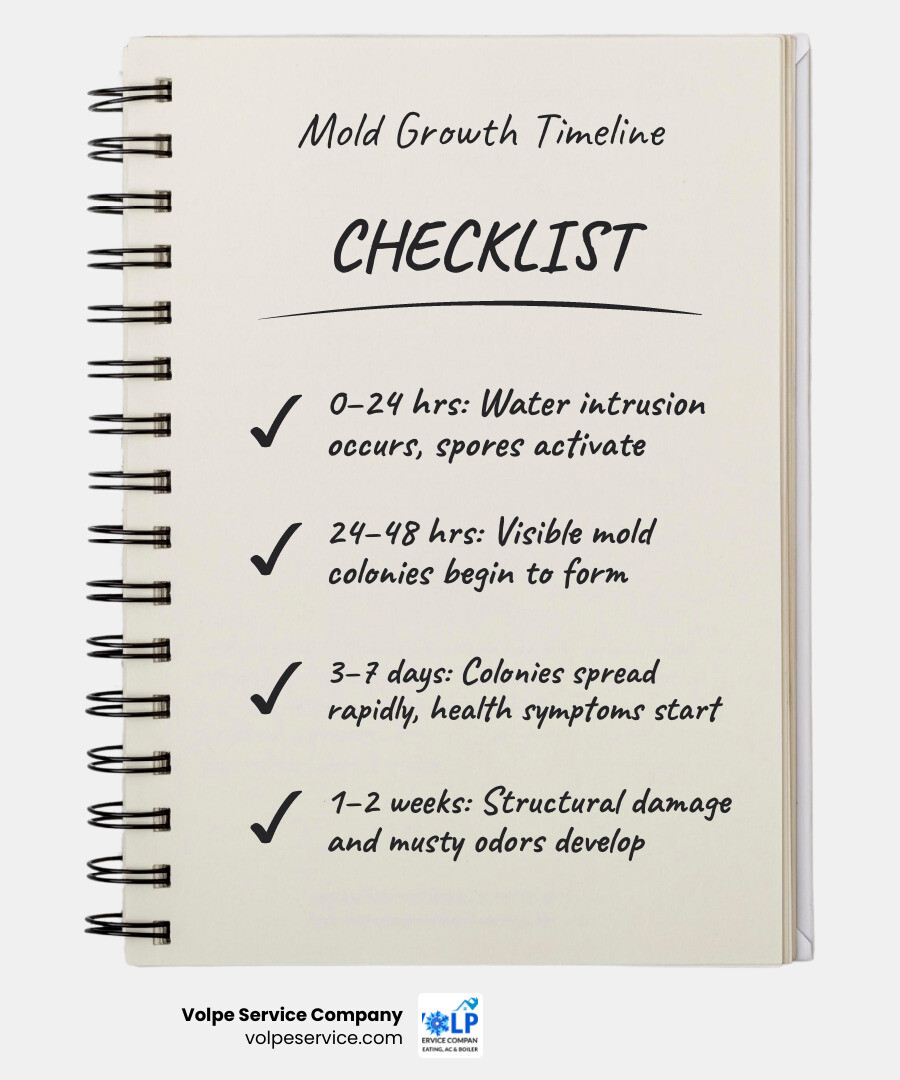
- Fix any leaks immediately — mold can begin growing within 24–48 hours
- Check attic ventilation to prevent condensation on roof sheathing
If you’ve spent a summer in New Jersey, you already know the humidity is no joke. But what you might not realize is that the same “Jersey mugginess” that makes August feel unbearable is also quietly feeding mold colonies inside your home — in your basement, your attic, and behind walls you can never see.
Northern New Jersey averages over 50 inches of rainfall per year. Outdoor humidity regularly spikes above 70% between July and September. Mold only needs indoor relative humidity above 60% and a porous surface like drywall or wood to start growing — and once it does, it can take hold in as little as 24 to 48 hours. With more than 70% of homes built before 1975 in the Northeast showing signs of mold or moisture issues, the risk is very real for a large portion of NJ homeowners.
The good news? Most mold problems are preventable with the right habits and systems in place.
Why Northern New Jersey Homes Are Prone to Mold

To stop mold in its tracks, we first have to understand why our local area is such a hotspot for it. Northern New Jersey presents a unique set of geographic, climatic, and architectural challenges that combine to create the perfect breeding ground for fungal growth.
The Perfect Storm of NJ Climate and Humidity
Our local climate in towns like Morristown, Parsippany, and Livingston is characterized by drastic seasonal shifts. We experience freezing, damp winters followed by hot, incredibly muggy summers. During the peak summer months, outdoor relative humidity levels routinely soar past 70%.
When this warm, moisture-laden outdoor air enters our air-conditioned homes, it cools rapidly. Because cold air holds less moisture than warm air, this temperature drop causes the relative humidity inside your home to spike. If your indoor air is stagnant and lacks proper circulation, this moisture settles onto cool, porous surfaces like drywall, wood framing, and carpeting. Since mold spores are a natural, microscopic presence in the air we breathe, they only need this thin layer of condensation to activate, colonize, and spread.
Furthermore, geographic features like the Passaic River watershed affect communities such as Fairfield and Parsippany. High groundwater tables in these low-lying areas mean that soil moisture is constantly pressing against basement walls and crawl space foundations, searching for any tiny crack to seep through.
Older vs. Newer Homes: Unique Mold Risks in Morris and Essex Counties
Whether you live in a historic 19th-century home in Mendham, a mid-century colonial in West Orange, or a brand-new build in East Hanover, your property has a distinct mold risk profile.
- Older Homes (Built Before 1975): These homes possess incredible character, but they are highly susceptible to moisture intrusion. Over several decades, foundations settle, creating fine cracks that allow soil moisture to seep in. Outdated plumbing lines hidden behind horsehair plaster walls can slowly weep water for years without being noticed. Additionally, older homes often lack modern vapor barriers under concrete basement slabs or behind exterior siding, allowing outdoor humidity to easily migrate indoors.
- Newer Homes: You might think modern construction is immune to mold, but it comes with its own modern paradox. Today’s homes are built to be incredibly energy-efficient and tightly sealed. While this keeps your heating and cooling bills down, it also traps indoor humidity. Without active mechanical ventilation, daily activities like showering, cooking, and even breathing can cause indoor humidity to accumulate to dangerous levels.
Essential Mold Prevention Tips for Northern New Jersey Homeowners
The golden rule of mold prevention is simple: control the moisture, and you control the mold. Mold cannot grow without water. By managing how water enters your home and how quickly it is evacuated, you can keep your living spaces healthy and dry.
Room-by-Room Mold Prevention Tips for Northern New Jersey Homeowners
Every room in your house has a different moisture dynamic. Here is how to protect the most vulnerable areas of your home:
- Basements and Crawl Spaces: These are the primary danger zones. Ground moisture constantly migrates through concrete walls (a process called capillary action), often leaving a white, powdery residue known as efflorescence. To prevent mold here, seal foundation cracks, ensure your sump pump is fully operational, and run a high-capacity dehumidifier. Never store cardboard boxes directly on concrete floors; use plastic bins and wire shelving instead.
- Bathrooms: Bathrooms are high-humidity chambers. Always run your exhaust fan during your shower and leave it running for 20 to 30 minutes afterward to completely purge the damp air. You can test your fan’s suction by holding a single tissue up to the grille — if the fan doesn’t hold the tissue in place, it’s time for a cleaning or replacement. Be sure to check under-sink cabinets monthly for slow pipe leaks.
- Kitchens: Cooking releases surprising amounts of steam into the air. Always use your range hood fan when boiling water or baking. Keep an eye on your refrigerator’s drip pan and the water line feeding your automatic ice maker, as small, hidden leaks in these spots are notorious for rotting out subfloors.
- Attics: During the winter, warm air from your living spaces naturally rises. If your attic is poorly ventilated, this warm air hits the cold underside of your roof sheathing, causing condensation. Ensure your soffit, ridge, and gable vents are completely unobstructed by insulation. Also, verify that your bathroom exhaust fans vent directly to the outdoors and not into your attic space.
To learn more about keeping your home’s air clean and dry, read our comprehensive Guide to Optimize Indoor Air Quality.
HVAC and Ventilation Mold Prevention Tips for Northern New Jersey Homeowners
Your heating and cooling system is the lungs of your home. If mold takes root inside your HVAC system, it can distribute spores to every single room.
- Maintain Clean AC Coils: Your air conditioner cools your home by blowing warm air across a freezing evaporator coil. This process naturally pulls moisture out of the air, which drips into a condensate pan. If the coil is dirty or the drain line is clogged, standing water will accumulate, creating a perfect dark incubator for mold.
- Upgrade Your Air Filters: Standard fiberglass filters only catch large dust bunnies. Upgrading to a high-quality pleated filter can capture microscopic mold spores and prevent them from recirculating. To find the right fit for your system, check out our guide on Don’t Let Your HVAC Choke: The Best Air Filters for Every Home.
- Schedule Professional Maintenance: Regular professional tune-ups ensure that your system’s condensate lines are clear, coils are clean, and airflows are balanced. Learn why professional care is your best line of defense in Maintenance Matters: Why Your HVAC System Needs a Spa Day to Prevent Mold.
Controlling Indoor Humidity and Ventilation Systems
According to the Environmental Protection Agency (EPA), homeowners should maintain indoor relative humidity levels between 30% and 50% to prevent mold growth. Keeping a small, inexpensive digital hygrometer in your living room and basement is the easiest way to monitor these levels.
| System Type | Best Suited For | How It Works | Key Benefit |
|---|---|---|---|
| Whole-Home Dehumidifier | Homes with damp basements or high summer humidity | Pulls moisture directly from ductwork and drains it automatically | Maintains precise, consistent humidity below 50% |
| Energy Recovery Ventilator (ERV) | Tightly sealed, energy-efficient modern homes | Exchanges stale indoor air for fresh outdoor air while pre-conditioning it | Balances indoor humidity while bringing in oxygen |
| Local Exhaust Fans | Bathrooms, kitchens, and laundry rooms | Expels localized moisture directly outside | Stops steam from migrating to other rooms |
The Role of Whole-Home Dehumidification
While portable dehumidifiers can help dry out a single small room, they require constant emptying and struggle to manage an entire house. A whole-home dehumidifier is integrated directly into your existing HVAC system. It monitors the humidity of the air entering your return ducts, extracts excess moisture before it can circulate, and drains the water automatically. This is especially vital for damp-prone areas in Summit, Madison, and Millburn.
To explore more ways to keep your home’s air balanced, check out our list of the Top Indoor Air Quality Solutions.
Improving Airflow with Proper Ventilation
Stagnant air allows humidity to pool in corners and closets. By keeping air moving, you prevent moisture from settling. In addition to utilizing ceiling fans, installing mechanical ventilation systems like ERVs or Heat Recovery Ventilators (HRVs) can dramatically improve your home’s air exchange rate.
If you want to dive deeper into how proper airflow protects your property, read about Home Ventilation for Improved Air Quality and explore modern Ventilation Solutions Healthier Home. For local solutions tailored to Morris County, you can also check out our dedicated page on Ventilation Parsippany NJ.
Seasonal Maintenance Checklist for NJ Homeowners
Mold prevention isn’t a one-time task; it requires consistent attention as the seasons change. Use this checklist to keep your home protected year-round:
- Spring (Preparation & Drainage):
- Walk around your home’s exterior and ensure the ground slopes away from your foundation.
- Clean gutters and extend downspouts at least six feet away from your home.
- Inspect your basement and crawl space for any winter cracks or water seepage.
- Schedule your spring AC tune-up to ensure your system is ready to dehumidify during the summer.
- Summer (Humidity Control):
- Monitor indoor hygrometers to ensure humidity stays between 30% and 50%.
- Keep basement dehumidifiers running continuously.
- Check your AC condensate drain line to ensure water is flowing freely to the drain.
- Change your HVAC air filters monthly during periods of heavy use.
- Fall (Sealing & Ventilation):
- Clean leaves out of gutters to prevent water from backing up under your roof shingles.
- Inspect attic insulation to ensure soffit vents are completely clear.
- Schedule your fall heating maintenance to prepare your system for the winter.
- Winter (Condensation Prevention):
- Keep indoor humidity below 40% to prevent condensation on cold windows.
- Inspect your attic for frost or damp roof sheathing, which indicates warm air leaks.
- Ensure your pipes are properly insulated in unheated spaces to prevent bursts.
To understand why keeping up with these tasks is so important, read our article on why Regular HVAC Maintenance is Crucial.
Frequently Asked Questions About Mold Prevention in NJ
How quickly can mold grow after water exposure?
Under favorable conditions — such as warm temperatures and high humidity — mold spores can germinate and begin growing within 24 to 48 hours after water exposure. This is why drying out wet areas immediately after a pipe leak, roof leak, or heavy rainstorm is absolutely critical to preventing a full-blown infestation.
What are the health risks of mold exposure?
Mold exposure can cause a variety of health issues, particularly for sensitive individuals. Common symptoms include nasal stuffiness, throat irritation, coughing, wheezing, eye irritation, and skin rashes. It can also trigger severe asthma attacks in people with pre-existing respiratory conditions.
Vulnerable populations, such as the elderly, pregnant women, and young children, are at a much higher risk. To learn more about how indoor air quality affects your family’s health, read our article on the impact of Indoor Air Quality on Children Health.
When should I call a professional for mold issues?
The EPA recommends that if the visible mold damage is less than 10 square feet (roughly a 3-foot by 3-foot patch), you can generally handle it yourself using proper safety gear. However, you should call a professional if:
- The mold covers an area larger than 10 square feet.
- You suspect mold is growing inside your HVAC ductwork.
- The mold is the result of sewage backup or contaminated floodwaters.
- You smell a persistent, strong musty odor but cannot locate the source, indicating hidden mold behind walls or under flooring.
Conclusion
Preventing mold in Northern New Jersey requires a proactive approach, but it doesn’t have to be overwhelming. By keeping your indoor humidity balanced, ensuring proper ventilation, and staying on top of seasonal maintenance, you can protect both your property and your family’s health.
Since 1963, Volpe Service Company has been helping homeowners across East Hanover, Livingston, Morristown, and the surrounding areas stay comfortable and safe. If you want to ensure your heating, cooling, and ventilation systems are optimized to keep your home dry and mold-free, we are here to help.
For expert assistance with your indoor climate, visit our Indoor Air Quality Parsippany NJ page or give us a call today!