
How Does a Ductless Mini-Split System Work in My New Jersey Home?
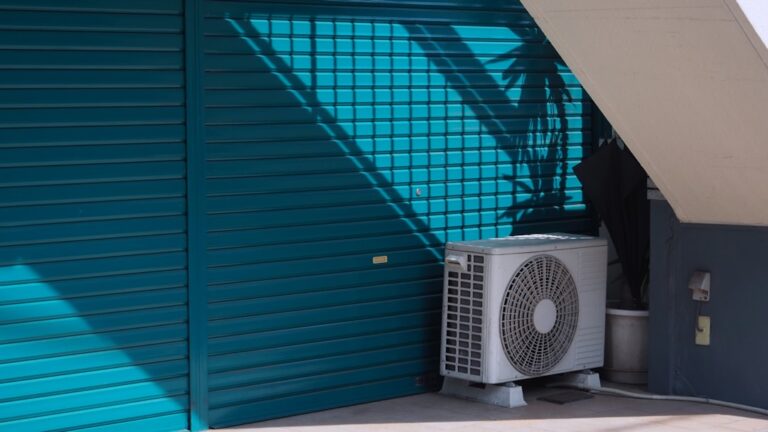
To understand why so many of our neighbors in East Hanover and surrounding areas are switching to these systems, it helps to know exactly what’s happening “under the hood.” A ductless system, often called a mini-split, consists of two main parts: an outdoor compressor unit and one or more indoor air-handling units. These components are linked by a slender conduit that houses the power cable, refrigerant tubing, suction tubing, and a condensate drain. This conduit is remarkably small, requiring only a minor opening in your exterior wall, which preserves the structural integrity and curb appeal of your home.
Unlike a furnace that creates heat by burning fuel or a central AC that pushes air through a complex web of ducts, a ductless system uses advanced heat transfer technology. In the summer, it absorbs heat from inside your home and dumps it outside. In the winter, the process reverses—even in chilly April 2026 temperatures—pulling heat from the outdoor air to keep you warm. Because the air is delivered directly into the room, there is no need for bulky ductwork that often leaks or clogs. If you are curious about the technical steps involved in this setup, you can read our Mini Split Installation Process Explained to see how we bring these systems to life for our clients.
The Role of Inverter Technology
One of the most impressive features of modern systems, like the Daikin Ductless models we often install, is inverter technology. Traditional HVAC systems are either “all on” or “all off.” They blast air until they hit the target temperature, then shut down completely, leading to annoying temperature swings and increased wear and tear on the components.
Inverter-driven compressors work more like a dimmer switch than a light switch. They speed up or slow down to meet the exact demand of the room at any given moment. This variable-speed operation ensures a consistent temperature and massive energy conservation because the system isn’t constantly starting and stopping at full power. This technology is particularly effective in the fluctuating climate of Northern New Jersey, where morning and evening temperatures can vary significantly.
Top Ductless HVAC Benefits for Homeowners in New Jersey

When we talk about ductless hvac benefits for homeowners, we usually start with the “30% rule.” Research shows that in the average house, 25% to 30% of energy is lost to ductwork. This happens through leaks, poor connections, or simple conduction—where the cold air in your ducts gets warmed up by a hot attic or crawlspace before it ever reaches your bedroom. By eliminating ducts, you eliminate that waste entirely, ensuring that every bit of conditioned air you pay for actually reaches your living space. For a deeper dive into these advantages, check out our post on Mini Split Installation Top Benefits.
Realizing Ductless HVAC Benefits for Homeowners through Energy Savings
The efficiency numbers for these systems are staggering and provide long-term value for New Jersey residents. ENERGY STAR certified ductless mini-split heat pumps use 60% less energy than standard homes using conventional electric resistance heating. When it comes to the humid New Jersey summers, ductless systems can cut cooling energy usage by 30% compared to room air conditioners and use up to 40% less energy than traditional window units that often have poor seals.
Because these systems are so efficient, they often have much higher SEER (Seasonal Energy Efficiency Ratio) ratings than central air. While a standard central unit might range from 13 to 20 SEER, ductless units can soar as high as 38 SEER. This high rating means the system is doing more work with less electricity, which is a major win for your monthly utility bills. You can learn more about these ratings and how they impact your home in our Mini Split AC Complete Guide.
Enhancing Air Quality: Another of the Ductless HVAC Benefits for Homeowners
Traditional ducts are notorious for collecting dust, pet dander, pollen, and even mold over the years. Every time the fan kicks on, those particles circulate through your home, which can be a major issue for those with allergies. Ductless systems offer a much cleaner alternative because they don’t rely on hidden, dusty channels to move air.
Most units feature multi-stage filtration that can drastically reduce allergens and viruses in the air. These filters are typically washable, making maintenance simple for the homeowner. Furthermore, ductless systems use R410A refrigerant, which has zero ozone depletion potential, making it a win for both your lungs and the environment. We often recommend the Daikin Ecosystem Parsippany NJ for those specifically looking to improve their indoor breathing environment and overall home wellness.
Is a Ductless System the Right Choice for My Home Addition or Older House?
In older New Jersey communities like Madison, Morristown, or Summit, many beautiful homes were built with radiator heat and no ductwork. Installing central air in these historic homes often means cutting into original plaster walls, lowering ceilings, and losing valuable closet space to bulky vents. This can compromise the aesthetic and historical value of the property.
Ductless systems are the perfect “non-invasive” solution for these challenges. Installation requires only a three-inch hole in the wall to connect the indoor and outdoor components, which can be done quickly and cleanly. This makes it an ideal choice for:
- Home additions: Like a new sunroom or a “man cave” where you don’t want to overtax your existing furnace or AC.
- Garage apartments: Providing independent climate control without sharing smells, smoke, or allergens with the main house.
- Finished attics: Which are notoriously difficult to keep cool with central air due to rising heat and poor insulation.
- Basements: Where humidity control is just as important as temperature management.
We specialize in Customized Ductless Installation to ensure the unit fits the specific aesthetic and structural needs of your unique home, whether it’s a Victorian in Summit or a modern colonial in West Orange.
Personalized Comfort and Zoning
One of the best ductless hvac benefits for homeowners is the ability to create “zones.” In a multi-zone system, one outdoor compressor can power up to eight indoor units. Each unit has its own thermostat, allowing for precise control over every room in the house.
This means if you like your bedroom at a crisp 68 degrees but your spouse prefers the home office at 74, you can both be happy without any arguments over the thermostat. It also saves energy—why pay to cool the downstairs living room at 2:00 AM when everyone is sleeping upstairs? You simply turn off the units in unoccupied spaces or set them to a more efficient temperature. This level of control is a major reason many choose a Mini Split AC Install over traditional replacements.
Comparing Ductless Technology to Traditional Central Air Conditioning
| Feature | Ductless Mini-Split | Central HVAC | Window Units |
|---|---|---|---|
| Energy Waste | Minimal (No ducts) | Up to 30% (Duct loss) | High (Poor seal) |
| Installation | 1–2 Days | Weeks (if adding ducts) | Minutes |
| Noise Level | Whisper Quiet | Moderate | Loud |
| Lifespan | 20–30 Years | 15 Years | 5–8 Years |
| Zoning | Built-in | Difficult/Expensive | Per unit |
When homeowners in Livingston or West Orange ask us Mini Split Installations Questions, the comparison to central air is usually the top priority. While a central system is great for whole-house uniform temperature, it can’t match the flexibility or the 20-30 year lifespan of a well-maintained ductless system. Central systems often require significant maintenance of the ductwork itself, which is a non-issue with mini-splits.
Quiet Operation and Aesthetics
If you’ve ever tried to have a conversation near a window AC or a loud central air handler, you’ll appreciate the silence of ductless technology. The indoor components of systems like Daikin Air Conditioners operate at decibel levels as low as a whisper, often around 19 dB. This is quieter than the sound of rustling leaves, making them perfect for nurseries, home offices, and bedrooms.
Most of the “heavy lifting” and noise happens outside in the compressor unit, which is also designed for quiet operation to keep your neighbors happy. Aesthetically, modern indoor units are sleek and unobtrusive. They can be mounted high on a wall, suspended from a ceiling, or even recessed into a drop ceiling for a completely flush look. Many homeowners tell us that after a week, they completely forget the unit is even there, as it blends seamlessly into their home decor.
Frequently Asked Questions about Ductless HVAC
Are ductless HVAC systems noisy during operation?
Not at all. In fact, they are significantly quieter than window units and most central air systems. The indoor air handlers are designed for quiet airflow and use specialized fan blades to minimize turbulence, making them perfect for bedrooms and nurseries. If you want to see how we ensure a quiet setup through proper placement and mounting, read about our Mini Split Installation Steps.
Can I use a ductless system for both heating and cooling?
Yes! Most of the systems we install are heat pumps, which provide year-round comfort. Modern Daikin Heating technology has improved so much that many models can provide reliable heat even when New Jersey temperatures drop well below freezing. This makes them a viable primary heat source for many homes, especially those looking to move away from oil or propane.
What are the potential disadvantages of going ductless?
While the benefits are many, there are things to consider. Some homeowners have specific aesthetic preferences and may not want a unit on their wall (though floor-mounted and recessed options exist). It’s also vital to have professional sizing; an oversized unit will “short-cycle,” which means it turns on and off too frequently, wasting energy and failing to properly dehumidify the air. Our Guide to Ductless Installation covers these considerations in detail to help you make an informed choice for your specific property in Mendham or Chester.
Conclusion: Finding the Best Ductless Solutions in East Hanover
Your home is your sanctuary, and you deserve a climate control system that is as efficient as it is comfortable. Whether you’re looking to fix a stubborn “hot room,” add cooling to a historic home without ducts, or simply slash your monthly utility bills, the ductless hvac benefits for homeowners are hard to ignore. These systems represent the future of home comfort, combining high-tech performance with user-friendly controls.
At Volpe Service Company, we’ve been serving our New Jersey neighbors since 1963. We aren’t just installers; we are data-driven comfort specialists who understand the unique needs of homes in East Hanover, Parsippany, Summit, and beyond. Our family-owned business prides itself on honest communication, licensed expertise, and a commitment to doing the job right the first time. We take the time to evaluate your home’s layout and insulation to recommend the perfect system for your needs.
If you’re ready to see how a ductless upgrade can transform your home and improve your quality of life, we’re here to help. Explore our Ductless HVAC Services Parsippany NJ or give us a call to schedule a consultation with one of our experts. Let’s get your home’s climate control done right—guaranteed.