

Is Annual HVAC Maintenance Worth It? Here’s the Short Answer
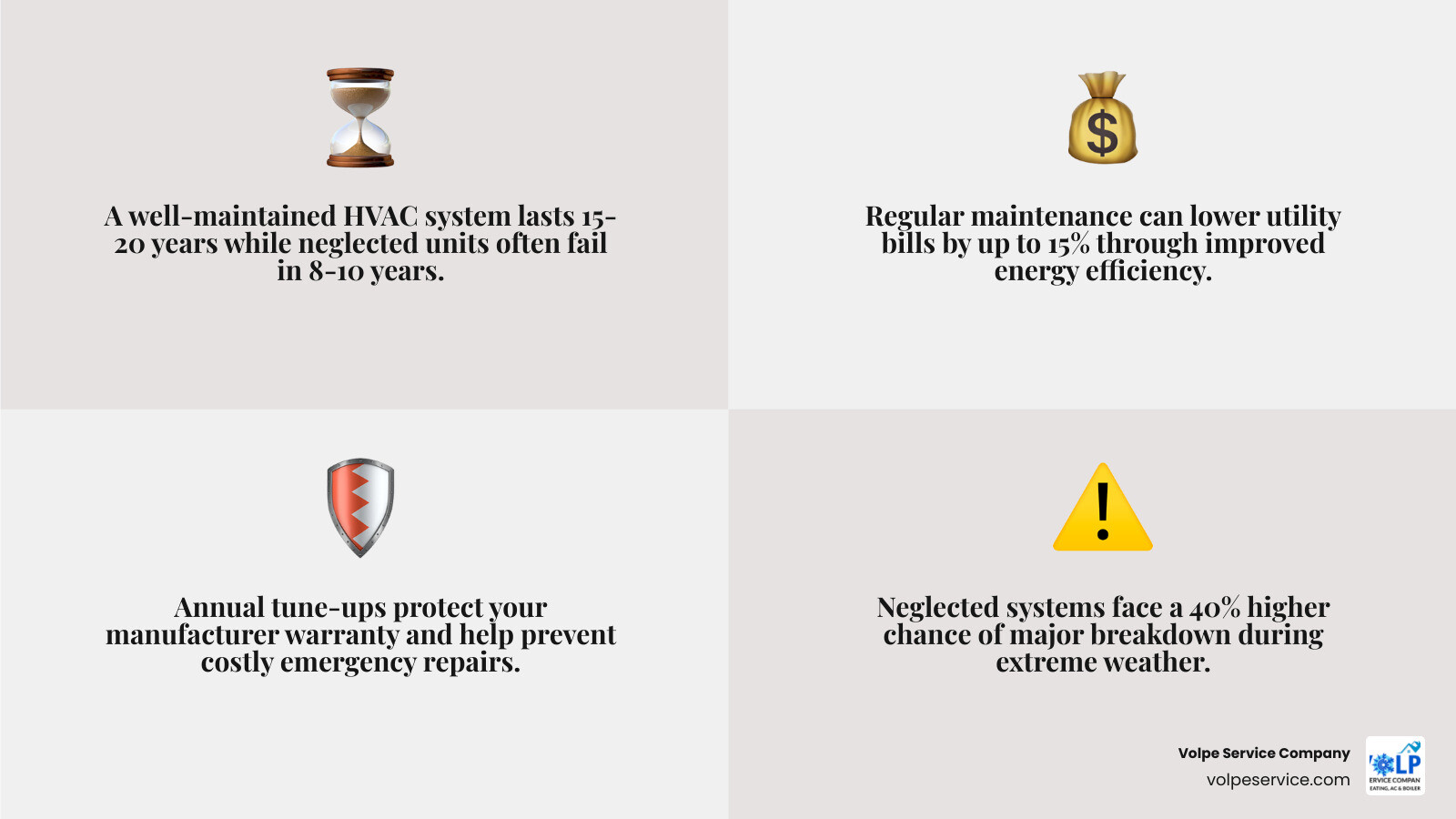
Annual HVAC maintenance is it worth it for most homeowners — and the evidence is clear. A well-maintained system lasts 15–20 years. A neglected one often fails in 8–10. That gap represents thousands of dollars in early replacement costs, higher monthly energy bills, and a much greater risk of a breakdown on the hottest day of the year.
Here’s a quick summary before we dive deeper:
Annual HVAC Maintenance — Is It Worth It?
| Factor | With Annual Maintenance | Without Annual Maintenance |
|---|---|---|
| System lifespan | 15–20 years | 8–10 years |
| Energy efficiency | Up to 15% lower bills | ~5% efficiency drop per year |
| Breakdown risk | Significantly reduced | 40% higher chance of major failure |
| Manufacturer warranty | Protected | May be voided |
| Emergency repair costs | Less likely | $300–$1,000+ per incident |
For most New Jersey homeowners, the answer is yes — especially if your system is more than a few years old, you want to protect your warranty, or you simply can’t afford to lose heat or AC during a seasonal extreme.
That said, the value depends on what your plan actually includes, how old your system is, and whether you’re paying for real service or just a sales visit. This guide breaks all of that down so you can make a smart, informed decision.
One real-world example captures the stakes well: a clogged condensate drain line — something a technician checks during a routine visit — once caused a ceiling collapse in a multi-story home while the owners were away on vacation. That’s the difference between a $0 fix during a tune-up and a very expensive, very avoidable disaster.
What is an HVAC Maintenance Plan and What Does It Include?
To understand whether these programs are worth your hard-earned money, it helps to look at what actually happens during a professional visit. An HVAC maintenance plan is a proactive service agreement. Instead of waiting for your heater to quit during a freezing January night in Morristown or your air conditioner to blow warm air during a humid July afternoon in West Orange, you schedule pre-season tune-ups to keep things running efficiently.
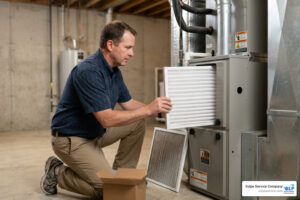
A comprehensive, professional maintenance checklist typically includes:
- Thermostat Calibration: Ensuring your thermostat reads the indoor temperature accurately so your system doesn’t run longer than necessary.
- Electrical Connections: Inspecting and tightening all electrical terminals, measuring voltage, and checking motor currents to prevent safety hazards or premature component failure.
- Coil Cleaning: Cleaning the outdoor condenser coil and indoor evaporator coil. When dust and pollen build up on these coils, they insulate the system, forcing it to work twice as hard to transfer heat.
- Condensate Drain Line Flushing: Clearing out algae, rust, and dirt from the drain line to prevent water backups that can damage your drywall, floors, or the system itself.
- Safety Controls & Ignition Inspection: Testing safety limits, checking the furnace heat exchanger for dangerous cracks that could leak carbon monoxide, and verifying correct burner operation.
When comparing options, it is essential to look at the exact services provided. If you want to learn more about selecting the right level of coverage for your home, take a look at our HVAC Service Plans Guide 2025.
Annual HVAC Maintenance Is It Worth It for System Longevity?
When you look at the long-term financial health of your household, skipping preventive maintenance is a classic example of being penny-wise and pound-foolish. Your heating and cooling system is likely the most expensive appliance in your home.
Extending Equipment Lifespan
Think of your HVAC system like a car. If you never changed the oil, flushed the radiator, or checked the brakes, you wouldn’t expect the vehicle to make it to 200,000 miles. An HVAC system operates under extreme thermal stress and runs for thousands of hours every year. Routine care directly mitigates this wear and tear. Over our sixty-plus years serving communities from Livingston to Summit, we have seen well-maintained systems easily cross the 15-to-20-year mark, while neglected units are often completely worn out in under a decade. For more details on this lifespan difference, read our analysis on Is HVAC Tune-Up Worth It?.
Preventing Drastic Efficiency Losses
According to the U.S. Department of Energy, regular maintenance can help reduce energy consumption and lower utility bills by keeping your system running at peak efficiency. Unmaintained systems lose roughly 5% of their operating efficiency every single year they go without a tune-up due to dirt buildup, loose belts, and slightly low refrigerant levels.
To visualize how these small issues compound over time, consider this side-by-side comparison:
| System Feature | Well-Maintained System | Neglected System |
|---|---|---|
| Airflow Quality | Clean, unrestricted, and consistent across all rooms | Weak, uneven, and hindered by dirty coils and blower wheels |
| Operating Runtime | Shorter, efficient cycles that maintain target comfort | Long, continuous cycles that strain major components |
| Internal Cleanliness | Free of dust, preventing mold growth and static pressure | Heavy accumulation of debris, risking mold and frozen coils |
| Safety Risks | Negligible; electrical and gas connections verified annually | High risk of cracked heat exchangers or electrical shorts |
By keeping your system clean, you protect your wallet from bloated energy bills and prevent minor issues from turning into major mechanical failures. To understand why this regular care is so vital to your home’s comfort, check out our guide on why Regular HVAC Maintenance is Crucial as well as our detailed article on Regular HVAC Maintenance Services Importance.
Evaluating the Pros and Cons of Maintenance Contracts
Many homeowners wonder whether they should sign up for an ongoing maintenance contract or simply pay for service as they go. Let’s look at the real-world advantages and potential drawbacks of these agreements.
The Pros: Priority Service and Peace of Mind
When extreme weather hits Northern New Jersey, local HVAC companies receive an overwhelming volume of emergency repair calls. If your system breaks down during a heatwave in Madison or Denville, having a maintenance agreement usually places you at the front of the line.
- Priority Scheduling: Plan members get priority response times, which can save you days of waiting in an uncomfortable home.
- Loyalty Discounts: Most plans include a 10% to 20% discount on any replacement parts or repairs discovered during the inspection.
- Automatic Reminders: You don’t have to remember to schedule your spring and fall tune-ups; your service provider will reach out to handle it.
To see how these benefits stack up against paying for individual visits, read our comprehensive guide on Membership Plan vs Pay Per Visit: The Ultimate Comparison.
The Cons: Exclusions and Upselling
While contracts offer excellent peace of mind, they are not without potential downsides:
- Exclusions: Standard maintenance plans do not cover the cost of major repairs or component replacements like a failed compressor or cracked heat exchanger.
- Sales Pressure: Some service providers use maintenance visits primarily as an opportunity to upsell unnecessary accessories or push for premature system replacements.
- Unused Visits: If you plan on moving within the next year, paying for an annual contract upfront may not provide a clear return on investment.
At Volpe Service Company, we combat these industry pitfalls with honest, data-driven diagnostics and transparent communication. We never push unnecessary repairs or parts; we simply show you the data and let you decide what is best for your home.
DIY Tasks vs. Professional HVAC Service
Can you handle some of your HVAC upkeep yourself to save money? Absolutely. In fact, a healthy balance of DIY care and professional service is the best way to protect your investment.
What You Can (and Should) Do Yourself
- Change Your Air Filters: This is the single most important task a homeowner can perform. Check your filters monthly and replace them every 30 to 90 days. Clogged filters restrict airflow, strain the blower motor, and are the leading cause of frozen evaporator coils.
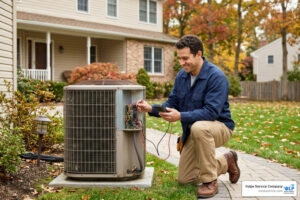
- Clear the Outdoor Unit: Keep shrubs, weeds, leaves, and debris at least two feet away from your outdoor condenser. This allows the unit to draw in enough air to release heat effectively.
- Keep Vents Clear: Ensure that furniture, drapes, or rugs are not blocking your return air grilles or supply registers.
For more practical DIY pointers, check out our HVAC System Maintenance Tips.
Why You Need a Certified Professional
While cleaning your vents is a great weekend project, internal system diagnostics require specialized training, licensing, and tools. Homeowners should never attempt to handle refrigerant, test high-voltage electrical contacts, or disassemble gas burners.
A certified technician uses specialized diagnostic tools to measure electrical resistance, check refrigerant pressures, and monitor carbon monoxide levels. Attempting these tasks yourself is not only dangerous but can easily void your system’s warranty or lead to costly system damage.
Frequently Asked Questions About HVAC Maintenance
Why Is Annual HVAC Maintenance Is It Worth It for Systems Under Warranty?
Many homeowners with brand-new heating and cooling systems assume they don’t need professional maintenance because the equipment is covered by a manufacturer’s warranty. This is a costly misconception.
Almost all major HVAC manufacturers require proof of documented, annual professional maintenance to keep their 10-year parts warranties valid. If a major component like your compressor fails in year five, and you cannot provide service records showing the unit was maintained annually, the manufacturer can—and likely will—deny your warranty claim.
To learn more about how routine care preserves your warranty, read The Ultimate Guide to HVAC Maintenance Plan Benefits.
How Do I Know If Annual HVAC Maintenance Is It Worth It for Aging Units?
If your system is more than a decade old, you might wonder if it is worth continuing to invest in annual maintenance. The answer is yes, but for different reasons than a new system.
For aging units, annual maintenance acts as a vital safety check and a strategic planning tool. Older furnaces are at a much higher risk of developing cracked heat exchangers, which can leak deadly carbon monoxide into your indoor air. Additionally, regular service helps you catch minor wear and tear before it triggers a complete system failure, giving you time to plan and budget for a replacement on your own terms rather than during a midnight emergency.
To weigh your options on older equipment, read our detailed article HVAC Maintenance Plans: Peace of Mind or Money Pit?.
How often should you service your hvac system?
For optimal performance, your HVAC system should be professionally serviced twice a year: once in the spring for your air conditioning system and once in the fall for your heating system.
If you use a heat pump, which handles both heating and cooling duties year-round, biannual maintenance is even more critical because the unit runs almost continuously across all four seasons. Regular attention is also the best way to prevent biological growth and mold inside your dark, damp ductwork and drain pans. For more seasonal tips, read Maintenance Matters: Why Your HVAC System Needs a Spa Day to Prevent Mold.
To make sure your system is ready before extreme temperatures arrive, don’t wait until the weather turns. Check out our seasonal breakdown: Don’t Wait for the Smoke: How Often to Schedule Heating and Cooling Tune-Ups.
For seasonal-specific deep dives, you can also explore our resources on Why Regular AC Maintenance is Essential, Regular AC Maintenance and Cleaning, and Regular Furnace Maintenance Benefits.
Conclusion
When you look at the facts, the verdict is clear: annual HVAC maintenance is absolutely worth the investment. From saving up to 15% on your monthly utility bills to protecting your manufacturer’s warranty and extending your system’s life by up to a decade, proactive care is the smartest way to manage your home’s comfort and long-term expenses.
Since 1963, Volpe Service Company has provided honest, data-driven, and courteous HVAC services to our neighbors across Northern New Jersey. We serve communities throughout East Hanover, Livingston, Morristown, Summit, West Orange, Madison, Millburn, Denville, Parsippany, Montville, Boonton, Mountain Lakes, Chester, Mendham, and Mt. Olive.
If you are looking for a reliable partner to keep your heating and cooling systems running perfectly all year long, we are here to help. You can learn more about our local service options or sign up for a plan by visiting our HVAC Maintenance Plan Parsippany NJ page or scheduling professional HVAC Services in Parsippany, NJ today. Let us take the stress out of your home comfort so you can focus on what matters most.